For an engine machine shop, the quality of every component that goes into a build matters. Customers rely on professional engine builders and machinists to deliver engines that meet precise specifications and perform reliably. When cylinder sleeves are part of the job, choosing the right cylinder sleeve supplier can have a direct impact on the quality of the finished engine.
A sleeve may appear to be a relatively straightforward engine component, but manufacturing consistency, material properties, dimensional accuracy, and application knowledge can make a significant difference. A poorly manufactured sleeve can create machining challenges and contribute to premature wear or other problems after the engine is assembled.
For machine shops that regularly rebuild stock engines, repair damaged blocks, or prepare engines for high-horsepower applications, the supplier relationship becomes even more important. Shops need cylinder sleeves they can confidently machine and install without wondering whether the next order will perform differently from the last.
So, what should an engine machine shop look for when choosing a cylinder sleeve supplier?
Consistent Cylinder Sleeve Quality Matters
Consistency should be one of the first considerations when evaluating a cylinder sleeve manufacturer.
Machine shops work within precise dimensions and tolerances. Variations from one sleeve to another can complicate machining and make it more difficult to produce repeatable results. When a shop orders the same type of sleeve multiple times, it should be able to expect consistent material and dimensions.
That becomes particularly important for shops handling multiple engines of the same platform or building engines for demanding applications.
Consistency starts long before final machining. The raw material, casting process, heat characteristics, and manufacturing controls can all influence the finished sleeve.
A dependable cylinder sleeve supplier should understand that professional engine builders are not simply buying a piece of metal. They are buying a component that becomes an integral part of an engine.
Look Beyond the Dimensions
Dimensions are obviously important when selecting a cylinder sleeve, but they should not be the only consideration.
Two sleeves with similar dimensions can perform very differently depending on the material and how they were manufactured. The cylinder bore is subjected to friction, heat, combustion pressure, and repeated thermal cycles throughout the life of an engine.
So, the material needs to provide an appropriate combination of strength, wear resistance, machinability, and thermal stability.
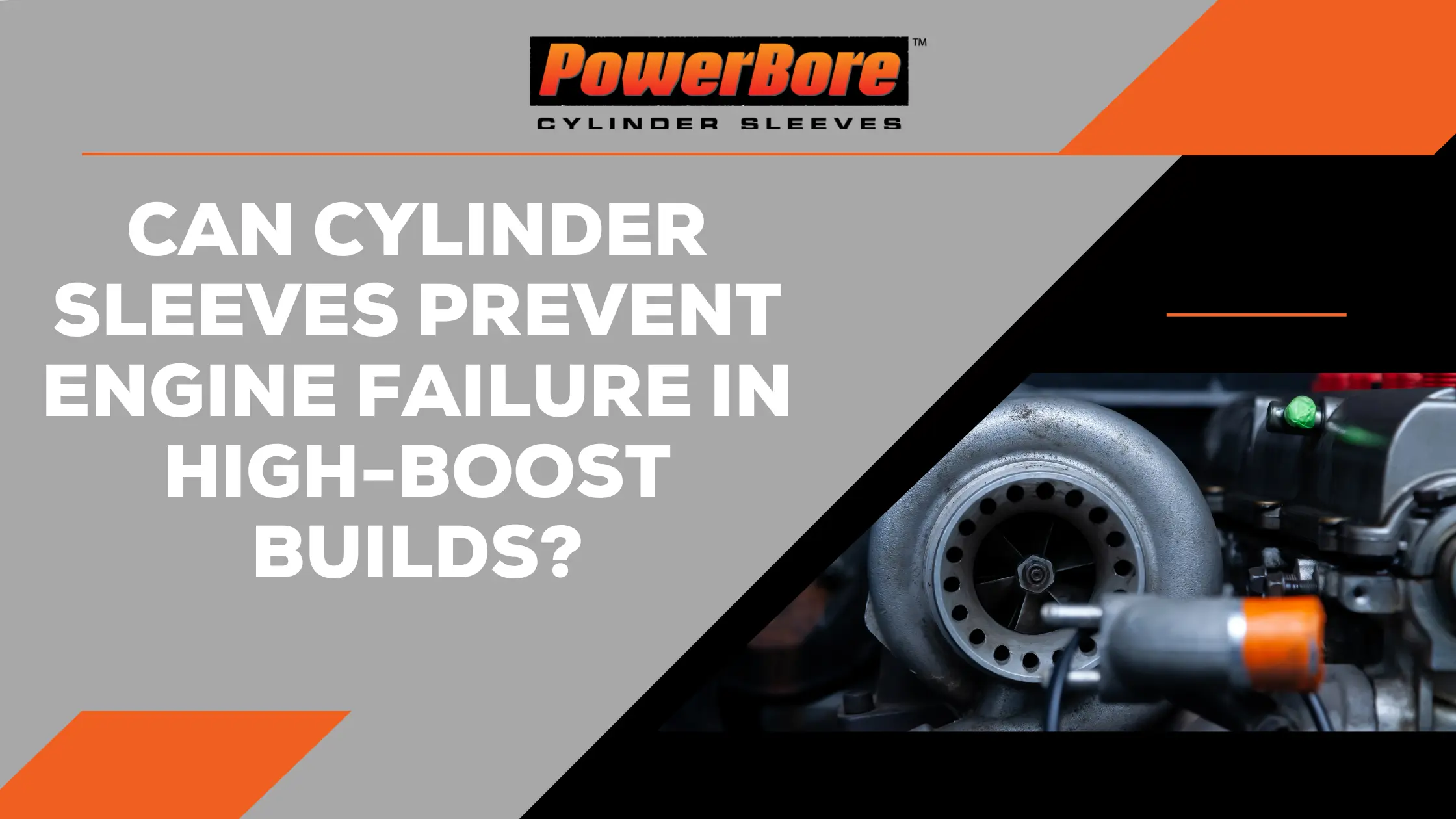
This becomes even more important when working with high-performance engines. Turbocharging, supercharging, increased compression, aggressive fueling, and other modifications can substantially increase cylinder pressure.
A sleeve that performs adequately in a stock rebuild may not necessarily be the right choice for an engine expected to operate far beyond its original power level.
A knowledgeable supplier should be able to help a machine shop identify the appropriate sleeve for the application rather than simply supplying a part based on dimensions alone.
Why Cylinder Sleeve Material Is Important
Cylinder sleeve material directly influences how the component performs inside the engine.
Cast iron and specialized iron alloys are commonly used because they can provide the wear characteristics, strength, and thermal properties required inside a combustion engine. However, the exact characteristics of the material can vary based on chemistry and manufacturing methods.
For machine shops, predictable material behavior is especially important.
The sleeve must respond properly to boring, honing, and finishing operations. Once installed, it must also provide a stable surface for piston rings while enduring thousands of heating, cooling, and combustion cycles.
Material inconsistencies can make machining more difficult and may affect long-term engine performance.
This is one reason the manufacturing capabilities behind the sleeve should matter to professional buyers.
The Advantage of an In-House Foundry
One of the biggest differences between cylinder sleeve suppliers is how much of the manufacturing process they actually control.
Some companies source castings or finished products from third-party manufacturers. Others control significantly more of the process themselves.
PowerBore is one of the few U.S. cylinder sleeve producers with its own in-house foundry. That capability provides greater control from the beginning of the manufacturing process rather than relying entirely on externally produced material.
Foundry control makes it possible to closely manage factors such as material chemistry and casting consistency before the sleeve reaches final machining.
For an engine machine shop, that vertical integration can be valuable. When the supplier understands both the material and the finished component, it becomes easier to maintain consistency across production.
It also gives PowerBore direct manufacturing knowledge that can be especially useful when dealing with demanding or unusual applications.
Dimensional Accuracy and Machining Considerations
Engine machining is precision work. A cylinder sleeve must provide enough material for the machine shop to achieve the required final dimensions while maintaining the structural properties necessary for the application.
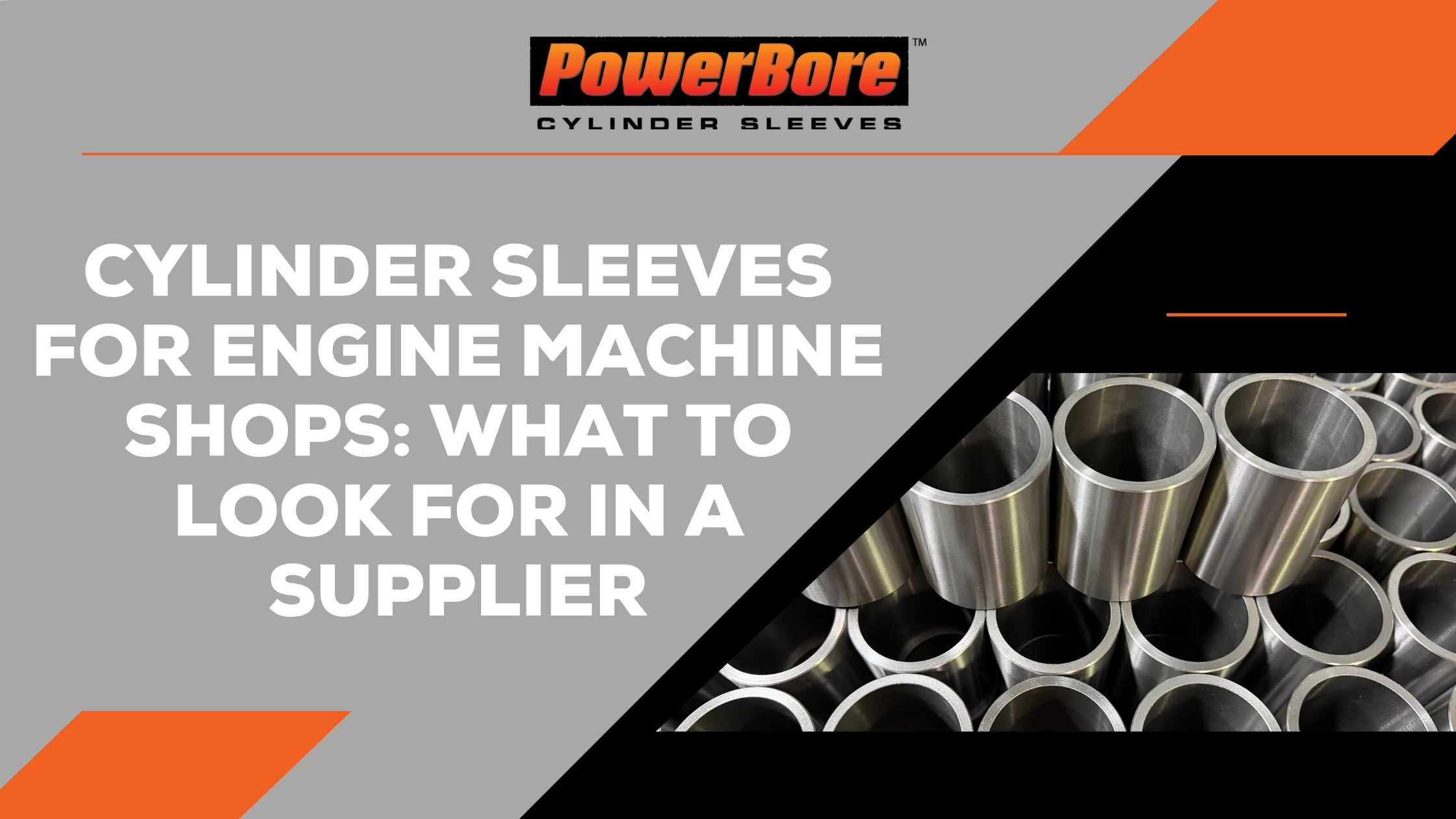
Outside diameter, inside diameter, wall thickness, length, flange dimensions, and other specifications may all matter depending on the engine.
A reliable cylinder sleeve supplier should provide products manufactured with professional machining operations in mind.
The machine shop will ultimately establish the final bore size and surface finish required for the piston and ring package. However, beginning with a consistent, accurately manufactured sleeve makes that process more predictable.
For shops processing a high volume of engines, predictability can also improve efficiency. Less time spent dealing with inconsistent components means more time completing profitable machining and assembly work.
Stock Rebuilds and High-Performance Builds Require Different Thinking
Not every engine requires the same cylinder sleeve solution.
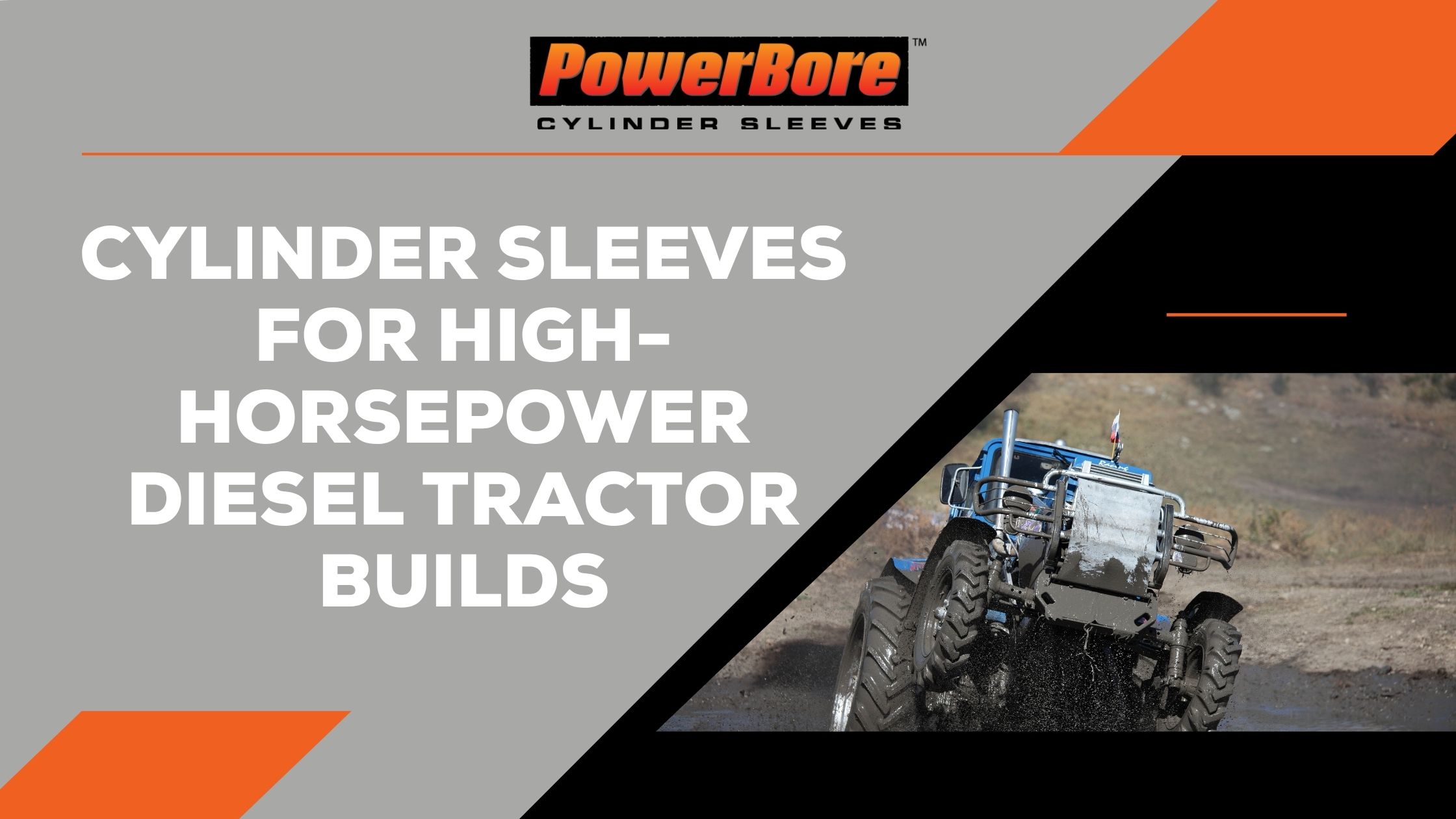
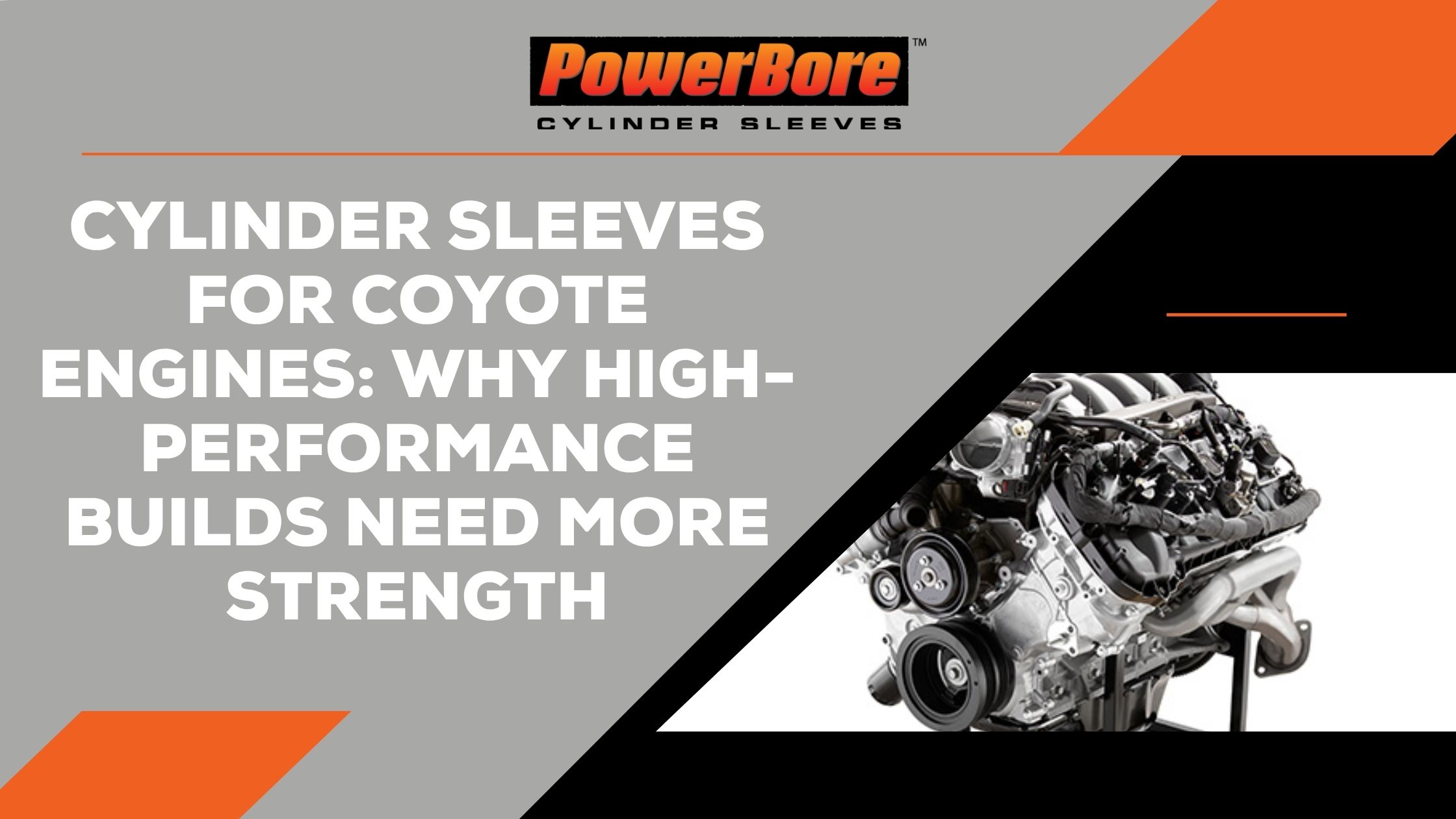
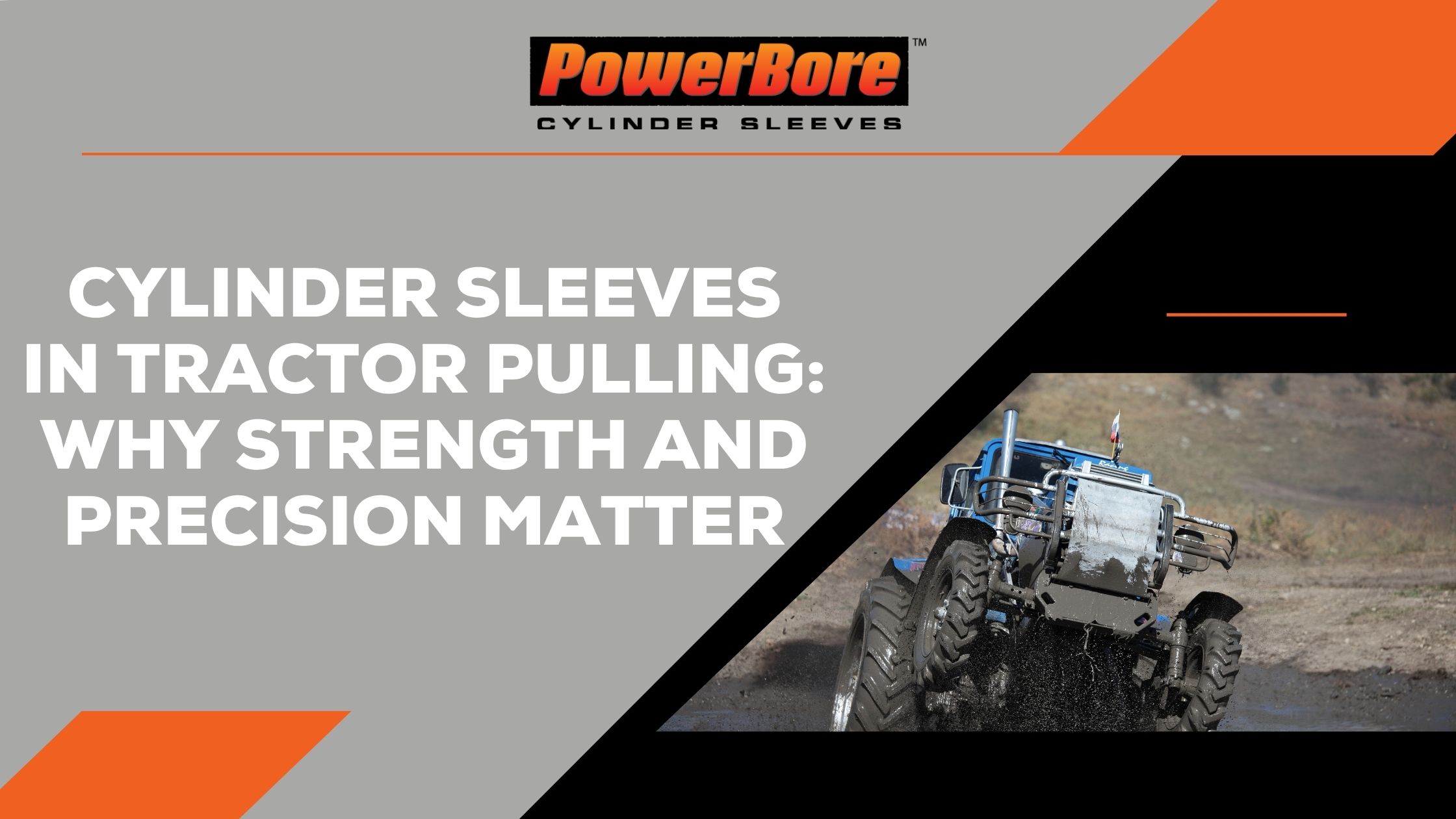
A stock engine being rebuilt for everyday use has very different operating requirements from a turbocharged racing engine, diesel pulling tractor, or high-horsepower Coyote build.
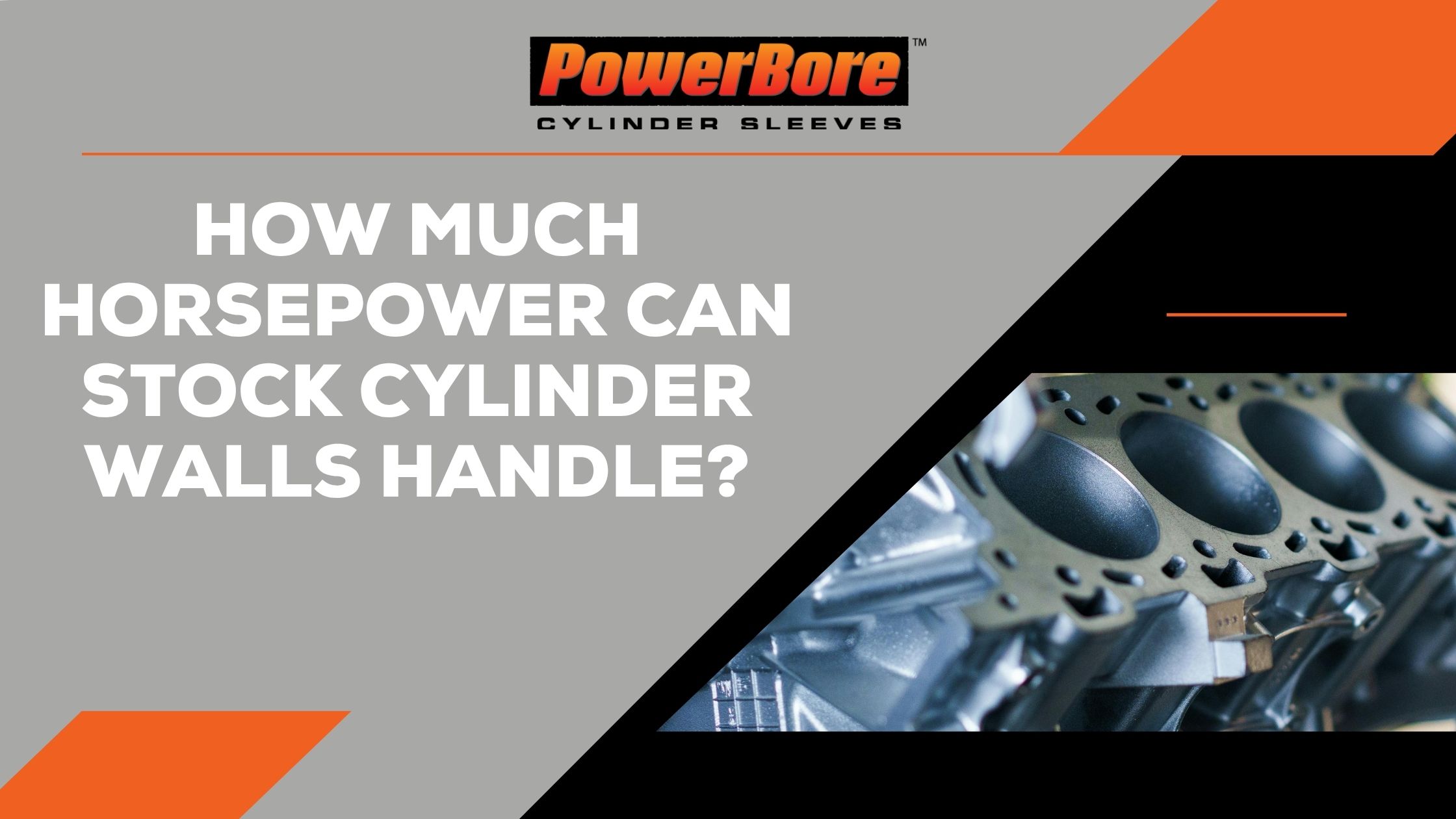
For a conventional rebuild, restoring proper bore geometry and providing long-term wear resistance may be the primary objectives.
Performance engines introduce additional concerns. Higher cylinder pressure, increased temperatures, larger bore sizes, and aggressive operating conditions may require greater strength and bore stability.
This is why machine shops benefit from working with a cylinder sleeve manufacturer that understands multiple applications.
The conversation should not simply be, “What size sleeve do you need?”
The intended use of the engine matters.
Availability and Product Range Matter to Machine Shops
Machine shops rarely work on only one type of engine.
One week may involve a conventional automotive rebuild. The next could include a diesel engine, performance racing application, agricultural engine, or specialty project.
Working with a cylinder sleeve supplier capable of serving multiple applications can simplify purchasing and create a more dependable supply relationship.
Availability is particularly important when a customer’s engine is already disassembled and occupying valuable shop space. Waiting unnecessarily for components can delay machining, assembly, and delivery.
For repeat customers, a supplier that combines manufacturing capability with dependable communication can become a valuable extension of the shop’s operation.
Custom Cylinder Sleeve Capabilities
Not every engine can be serviced with a standard off-the-shelf cylinder sleeve.
Machine shops frequently encounter unusual applications. Older engines may use components that are difficult to source. Performance builders may require dimensions outside typical replacement specifications. Specialty industrial, agricultural, or racing engines can present entirely different requirements.
This is where custom manufacturing capability becomes particularly valuable.
A cylinder sleeve manufacturer with strong production capabilities can help shops address applications where a standard catalog component is not the ideal solution.
Custom sleeves can also create new opportunities for machine shops. Instead of turning away an unusual project because a replacement component is difficult to find, the shop may be able to work with a manufacturer to develop an appropriate solution.
Technical Knowledge Is Part of the Product
Professional machine shops should expect more from a supplier than simply shipping a box.
Technical understanding is particularly important when dealing with performance applications or unusual engine configurations. A knowledgeable supplier can help the shop evaluate available options and determine which sleeve best matches the project’s requirements.
This does not replace the expertise of the machinist or engine builder. Instead, it adds another source of manufacturing knowledge to the project.
The best supplier relationships often develop when both companies understand their roles. The machine shop brings expertise in block preparation, machining, honing, assembly, and engine performance. The cylinder sleeve manufacturer brings expertise in sleeve materials, casting, manufacturing, and product capabilities.
Together, those strengths can lead to a better finished engine.
U.S. Manufacturing and Supply Chain Reliability
Supply chain reliability has become an increasingly important consideration for American manufacturers and machine shops.
An inexpensive component is not necessarily inexpensive if unpredictable availability delays a customer’s engine for weeks.
Domestic manufacturing can offer advantages in communication, production visibility, lead times, and supply consistency. It can also make technical discussions easier when unusual applications arise.
For shops serving performance customers, racing teams, agricultural operators, or businesses that depend on their equipment, turnaround time matters.
PowerBore manufactures cylinder sleeves in the United States and operates its own foundry, providing an uncommon level of domestic manufacturing control within the cylinder sleeve industry.
That capability helps connect material production, sleeve manufacturing, and customer requirements within one operation.
Price Should Not Be the Only Factor
Machine shops have to remain competitive, so component cost will always matter. However, selecting cylinder sleeves solely by the lowest purchase price can create costs elsewhere in the job.
If an inconsistent sleeve requires additional machining time, creates installation complications, or contributes to a failed build, the savings disappear quickly.
Machine shops also have their own reputation to protect.
Customers generally do not blame the component supplier when an engine develops a problem. They return to the shop that built the engine.
For that reason, professional builders often evaluate components based on overall value rather than purchase price alone. Material quality, consistency, technical support, availability, and confidence in the manufacturer all contribute to that value.
Building a Long-Term Relationship With a Cylinder Sleeve Supplier
For a machine shop that performs engine work regularly, finding a dependable cylinder sleeve supplier can provide benefits well beyond a single order.
A long-term supplier becomes familiar with the types of engines the shop builds and the applications it serves. Communication becomes easier, purchasing becomes more efficient, and unusual projects become easier to discuss.
Most importantly, the machine shop develops confidence in the components it installs.
That confidence matters whether the engine is a stock rebuild expected to run reliably for years or a competition engine expected to survive extreme cylinder pressures.
Choose a Cylinder Sleeve Manufacturer That Understands Performance
Cylinder sleeves are small compared with an entire engine assembly, but their role is significant. They provide the working surface for piston rings, help maintain cylinder geometry, and must survive continuous exposure to friction, heat, and combustion pressure.
For engine machine shops, choosing the right supplier means looking beyond basic dimensions and price.
Material consistency, manufacturing control, dimensional accuracy, product availability, custom capabilities, technical knowledge, and reliable communication should all factor into the decision.
PowerBore specializes in high-performance cylinder sleeves manufactured in the United States. With an in-house foundry and control over the manufacturing process, PowerBore can serve machine shops, engine builders, and performance professionals who need dependable cylinder sleeve solutions.
When your reputation depends on the engines leaving your shop, the quality of the components going into them matters.