When enthusiasts begin modifying an engine, horsepower goals usually rise faster than factory limitations. A cold air intake turns into headers. Headers turn into boost. Then comes the real question:
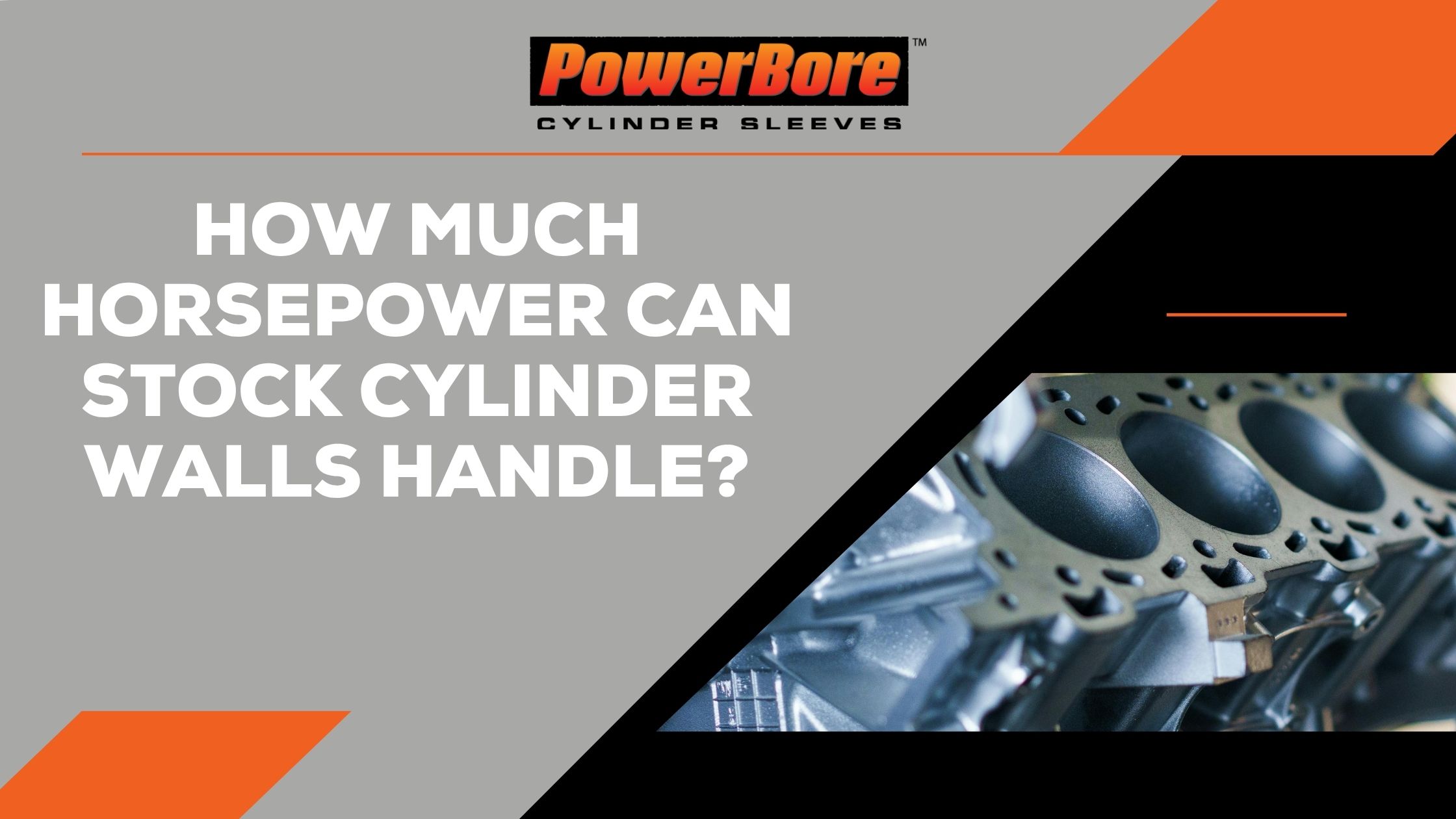
How much horsepower can stock cylinder walls actually handle?
The answer depends on the engine platform, tuning quality, fuel type, RPM range, and how the power is delivered. Some factory engine blocks handle impressive numbers. Others begin to show weaknesses once cylinder pressure rises significantly.
No matter the platform, one truth remains consistent: cylinder walls are often one of the first major structural limits in high-horsepower builds.
Understanding those limits helps builders make smarter decisions before expensive failures happen.
Why Cylinder Walls Matter
Cylinder walls do far more than contain pistons. They must withstand combustion pressure, friction from piston rings, constant thermal cycling, and side loading created by piston movement.
As horsepower increases, so does cylinder pressure. More boost, more timing, more compression, or more aggressive fueling all create additional force inside the combustion chamber.
That force pushes outward on the cylinder walls thousands of times per minute.
If the walls are too thin, weak, or unstable, several issues can develop:
- Cylinder wall distortion
- Ring seal loss
- Blow-by
- Cracking
- Coolant contamination
- Complete engine failure
In many builds, cylinder walls become the hidden weak point long before people expect it.
There Is No Universal Horsepower Number
Many builders want a simple answer such as:
- 600 horsepower is safe
- 800 horsepower is the limit
- 1,000 horsepower needs sleeves
Realistically, there is no universal number.
Horsepower alone does not tell the full story. A naturally aspirated engine making 700 horsepower experiences very different stress than a turbocharged engine making 700 horsepower.
Likewise, an engine that makes 900 horsepower for short drag passes lives a different life than one making 900 horsepower repeatedly on the street or road course.
Cylinder wall stress is influenced by:
- Cylinder pressure
- Boost level
- Engine block material
- Bore size
- Heat management
- RPM range
- Tuning quality
- Fuel type
This is why some stock blocks survive impressive power levels while others fail much earlier.
Aluminum Blocks vs Iron Blocks
Material matters significantly when discussing stock cylinder wall limits.
Aluminum engine blocks are lighter and excellent for performance, but aluminum expands more with heat and does not offer the same rigidity as iron. Many aluminum blocks rely heavily on liners or sleeves to create a durable cylinder surface.
Iron blocks are generally heavier but often provide greater rigidity and strength under extreme cylinder pressure.
That does not automatically mean iron blocks are always superior. Modern aluminum designs can be extremely strong. However, once power climbs aggressively, block material becomes a major part of the equation.
How Boost Changes Everything
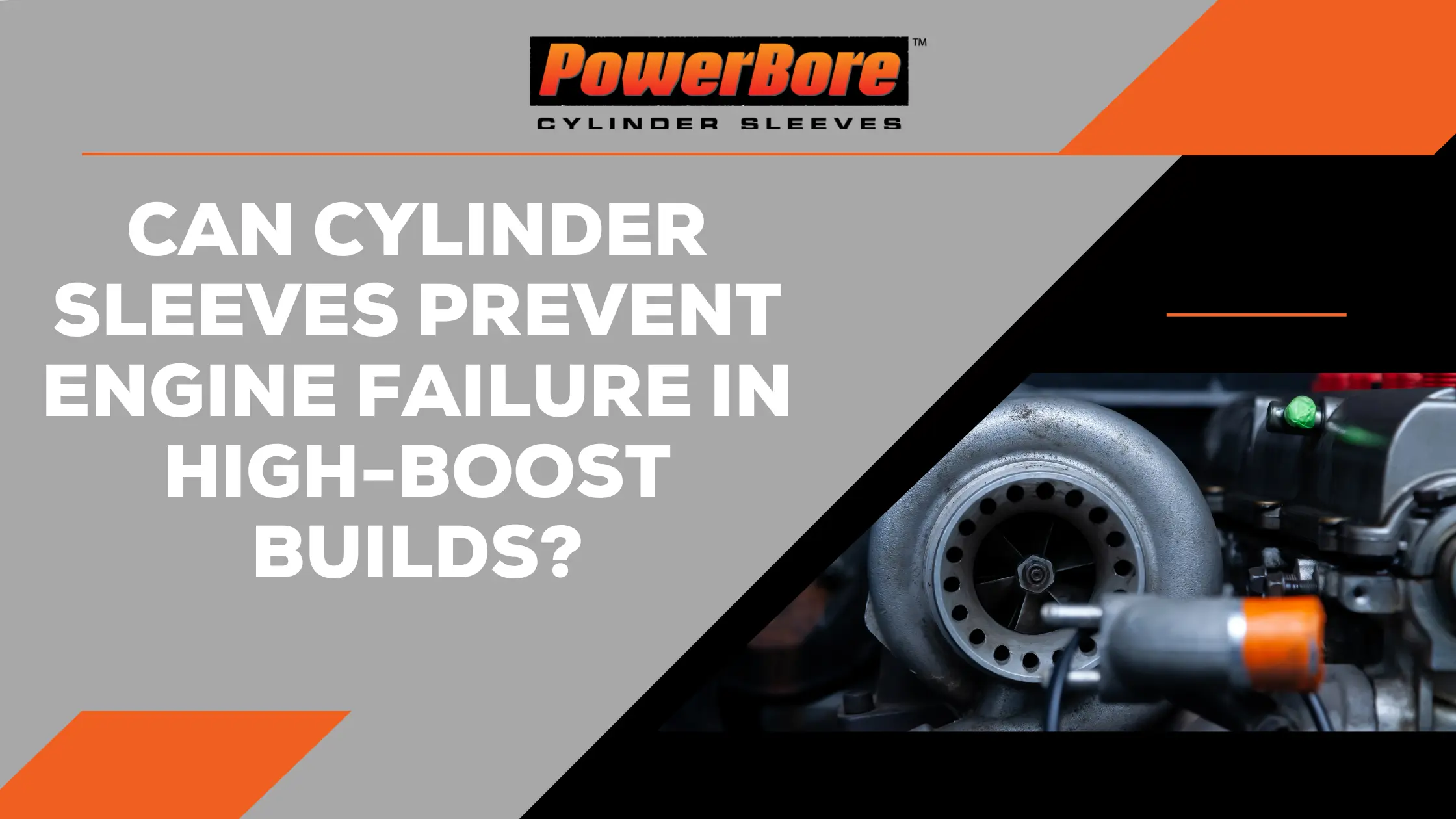
Forced induction is where many stock cylinder walls begin to meet their limits.
Turbochargers and superchargers dramatically increase the amount of air entering the combustion chamber. More air allows more fuel, and more fuel creates more power. It also creates much higher cylinder pressure.
This pressure can:
- Flex cylinder walls
- Distort bores under load
- Reduce ring seal
- Increase heat concentration
- Expose casting weaknesses
A stock engine making 700 naturally aspirated horsepower may live a much easier life than a boosted engine making the same number.
That is why builders often focus less on horsepower alone and more on boost level plus intended usage.
Signs You Are Near the Limit
Engines often give warning signs before catastrophic failure.
Builders pushing stock cylinder walls may notice:
- Rising blow-by
- Reduced compression
- Increased oil consumption
- Head gasket issues
- Unexplained coolant loss
- Inconsistent power between runs
Sometimes the block does not crack immediately. Instead, cylinder walls begin to move slightly under load. That movement hurts ring seal and creates performance loss before total failure occurs.
By the time visible damage appears, the engine may already be telling you it has exceeded its comfort zone.
Why Sleeves Become Necessary
Once stock cylinder walls become the limiting factor, cylinder sleeves provide a proven solution.
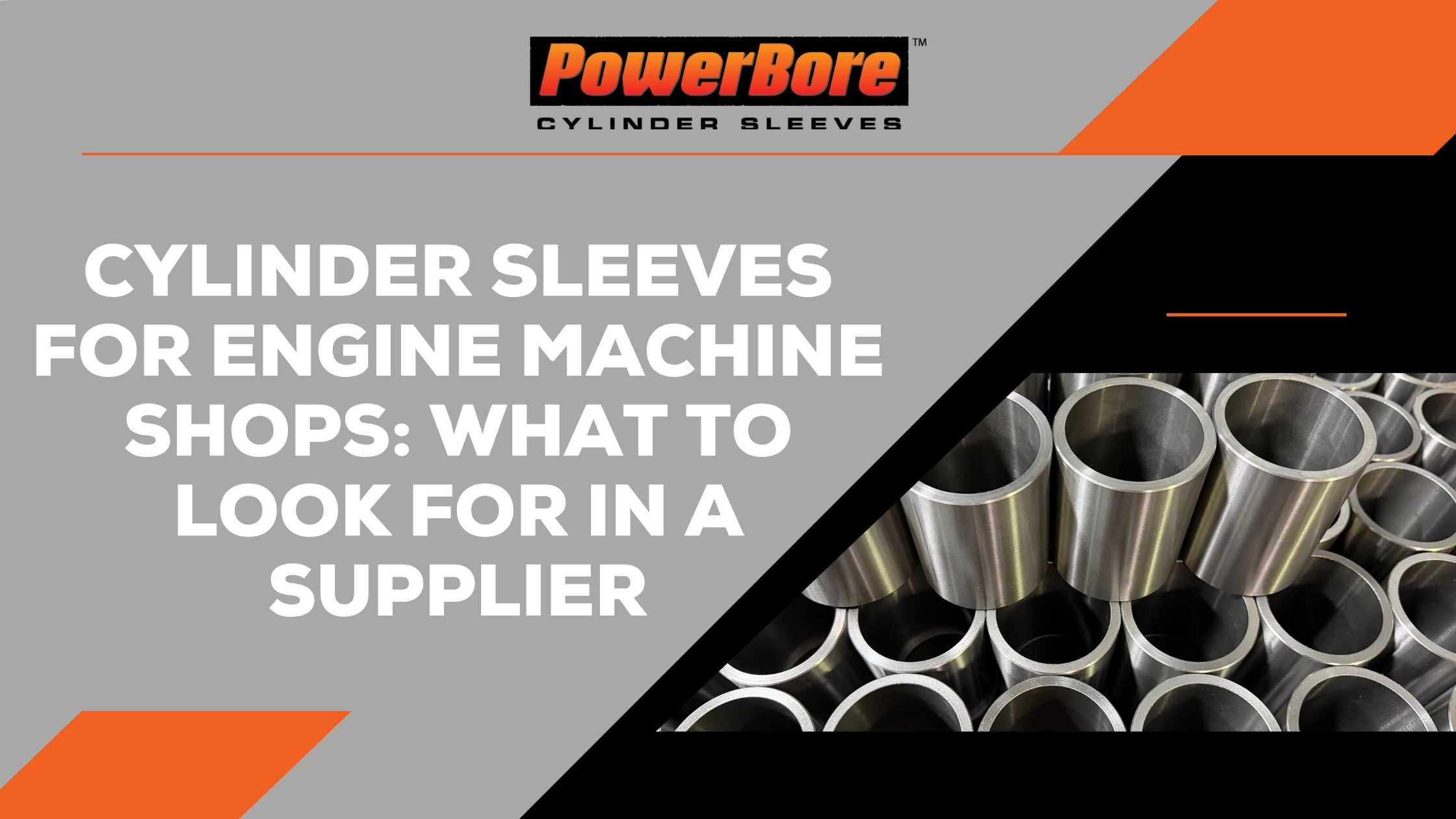
Sleeves reinforce the bore area and create a stronger, more stable cylinder surface. They can also restore damaged bores or allow more aggressive machining for larger displacement builds.
For high-horsepower combinations, sleeves help with:
- Bore stability under boost
- Improved ring seal
- Greater durability
- Better wear resistance
- Long-term reliability at elevated power levels
Instead of asking how long a stock block might survive, many serious builders upgrade proactively.
Platform Matters: Examples Across Popular Builds
Different engine families have very different reputations.
Some factory platforms are known for holding substantial power on stock blocks. Others develop cylinder wall cracking or bore distortion earlier than expected.
Examples often discussed by enthusiasts include:
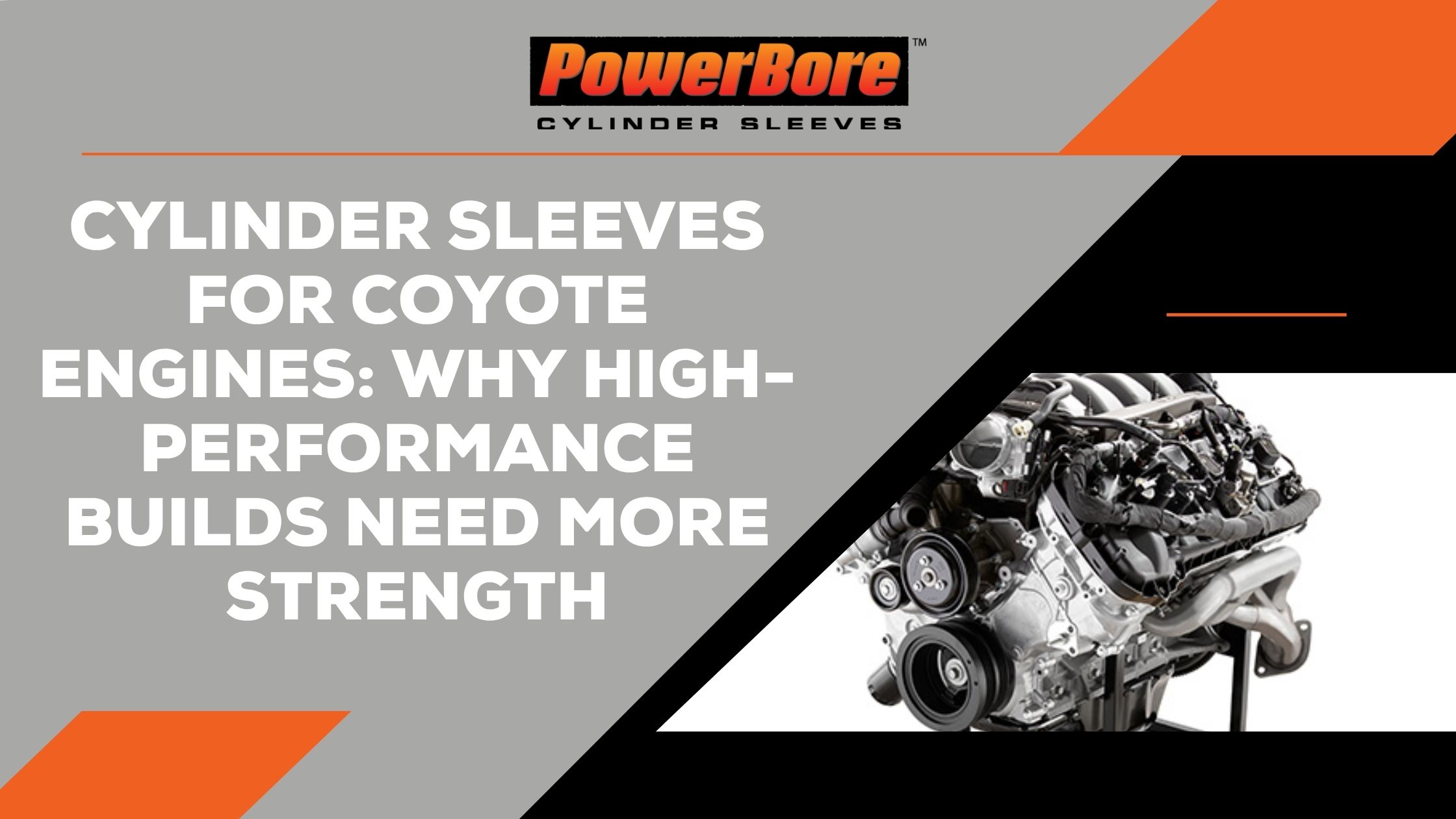
- Ford Coyote engines in boosted builds
- GM LS and LT platforms
- Import turbo four-cylinders with thin walls
- Diesel engines running elevated boost and fueling
The lesson is simple: always research your specific platform rather than relying on generic horsepower numbers.
What survives in one engine family may fail quickly in another.
Precision and Sleeve Quality Matter
Not all cylinder sleeves are equal.
Material composition, casting quality, and machining precision all influence how well a sleeved engine performs.
At PowerBore, cylinder sleeves are produced entirely in-house, including foundry operations. That level of control allows consistency in metallurgy, dimensional accuracy, and quality across production runs.
For performance builds, consistency matters. When engines are operating near their limits, weak materials or poor machining can become costly mistakes.
Builders need parts they can trust under pressure.
Is It Better to Sleeve Before Failure?
In many serious builds, yes.
Waiting until a stock block fails can mean:
- Damaged pistons
- Damaged heads
- Crankshaft contamination
- Downtime
- More expensive machine work
Many experienced builders sleeve an engine before pushing to aggressive power levels. This approach treats sleeves as preventive reinforcement rather than emergency repair.
If the build plan includes high boost, competition use, or repeated abuse, proactive sleeving often makes financial sense.
Street Car vs Race Car Reality
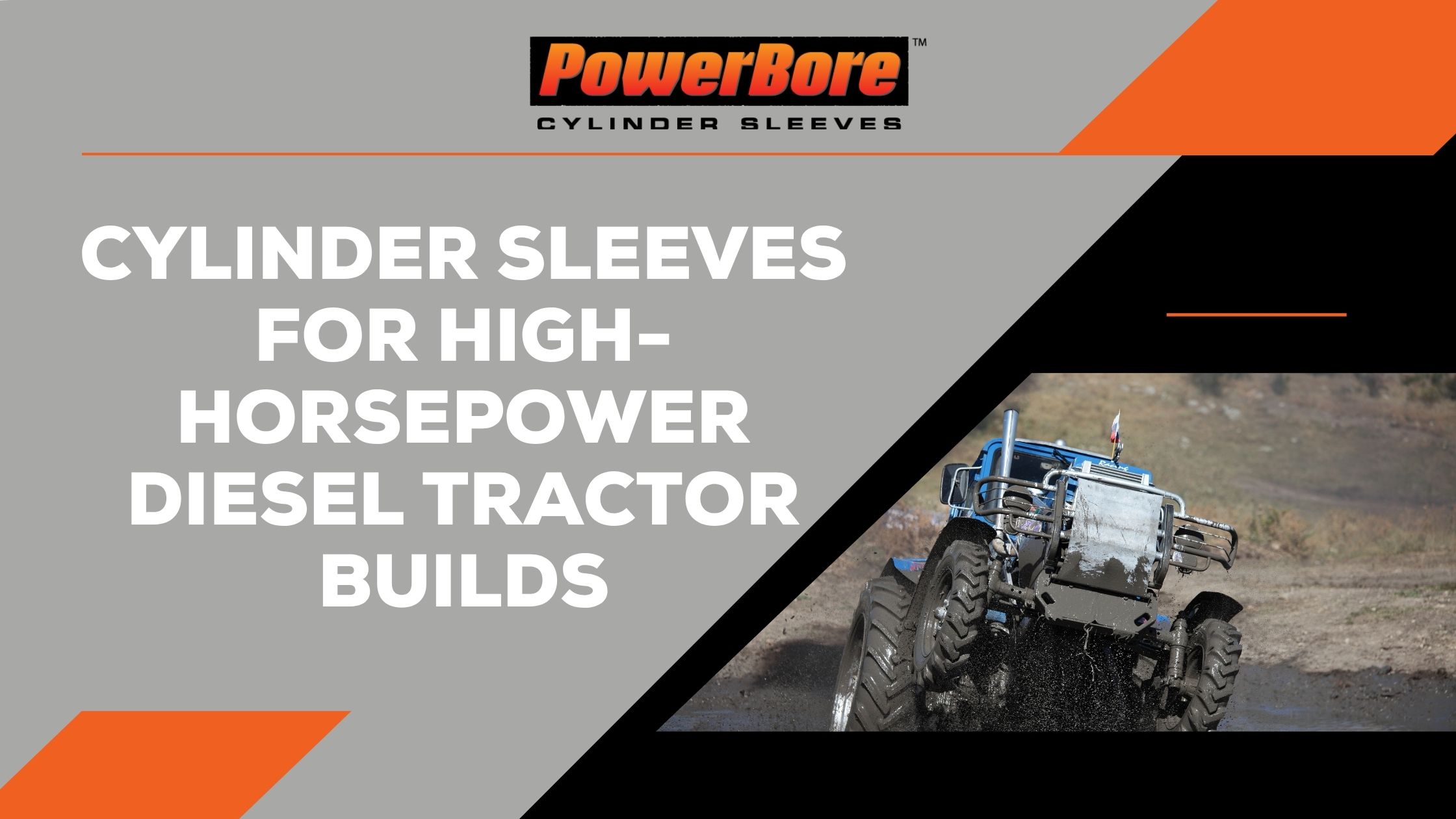
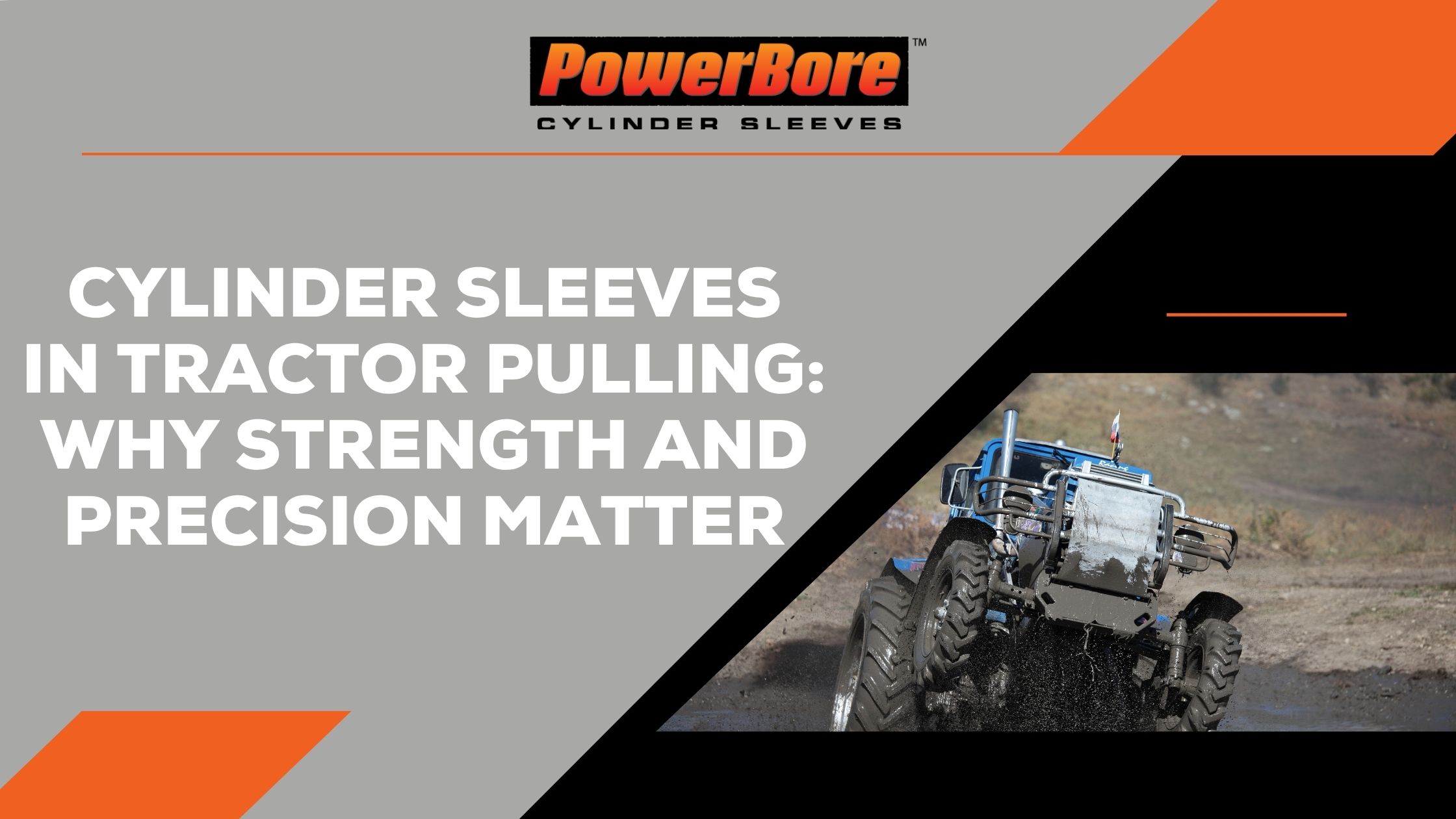
A weekend street car that sees occasional pulls is different from a drag car or tractor pulling engine under repeated extreme load.
Race engines experience:
- More heat cycles
- More full-load events
- Harder launches
- Sustained stress
Because of this, the safe limit for stock cylinder walls in race use is often lower than what internet horsepower claims suggest.
Use case matters as much as dyno numbers.
Final Thoughts
So, how much horsepower can stock cylinder walls handle?
The honest answer is: it depends on the engine, the boost, the tune, and how the vehicle is used.
Some stock blocks survive impressive numbers. Others begin to distort or fail sooner than expected. Horsepower alone does not determine the limit, cylinder pressure and structural stability do.
When stock walls become the bottleneck, cylinder sleeves offer a proven path forward. They add strength, improve bore stability, and help serious performance builds live longer under stress.
For builders chasing real power, understanding the limits of stock cylinder walls is one of the smartest investments they can make.