Modern performance engines are capable of producing incredible power. Advances in turbocharging, supercharger technology, fuel systems, and engine management have made it possible for enthusiasts to push factory platforms far beyond their original horsepower ratings.
But as boost pressure rises, so does the stress placed on internal engine components.
Many builders focus on upgrading turbochargers, fuel injectors, pistons, and connecting rods, yet one of the most critical structural limitations inside a high-boost engine is often overlooked: the cylinder walls.
As horsepower climbs, cylinder pressure can reach levels the factory block was never designed to withstand. Under these conditions, cylinder sleeves can become one of the most important upgrades for maintaining engine reliability and preventing catastrophic failure.
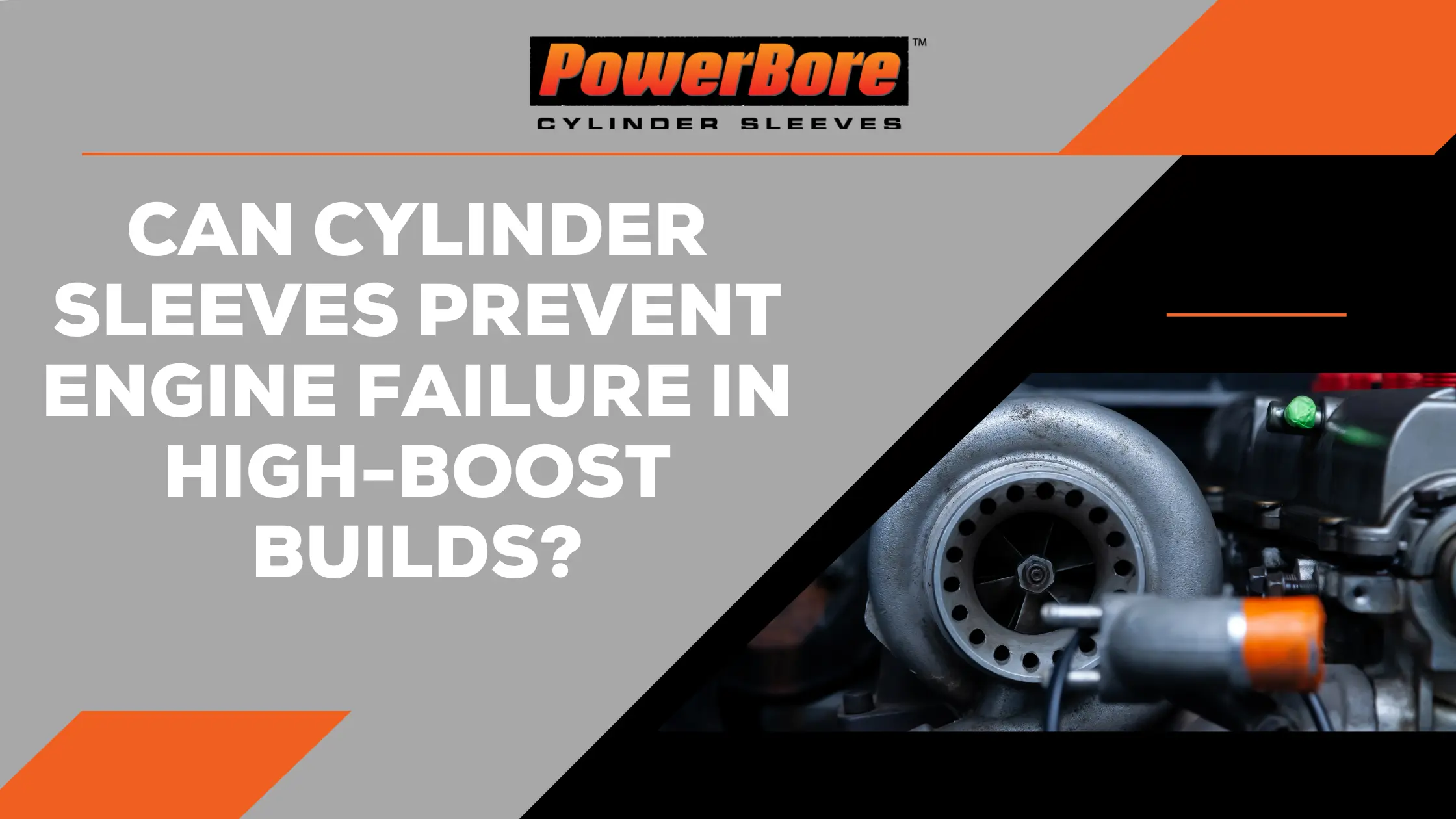
So can cylinder sleeves actually prevent engine failure in high-boost builds?
In many cases, absolutely.
Why High-Boost Engines Experience More Stress
A high-boost engine is designed to produce more power by forcing compressed air into the engine at higher-than-normal pressure.
High-boost engine builds use turbochargers and superchargers to increase the amount of air entering the combustion chamber. This allows more fuel to be burned, which creates greater combustion pressure and more power. While this is excellent for performance, it also increases stress on nearly every internal component.
Cylinder walls are subjected to:
- Higher combustion pressure
- Increased thermal load
- Greater piston side loading
- More aggressive expansion and contraction cycles
As boost levels increase, these stresses rise exponentially.
An engine that operates safely at factory power levels may begin to experience cylinder wall distortion, cracking, or sealing issues once boost pressure climbs significantly above stock conditions.
This is especially common in modern aluminum engine blocks where reducing weight was prioritized during factory design.
The Cylinder Wall Is Often the Weak Point
When enthusiasts talk about engine limits, they often focus on horsepower numbers. However, horsepower itself is not what damages an engine. Cylinder pressure is the real concern.
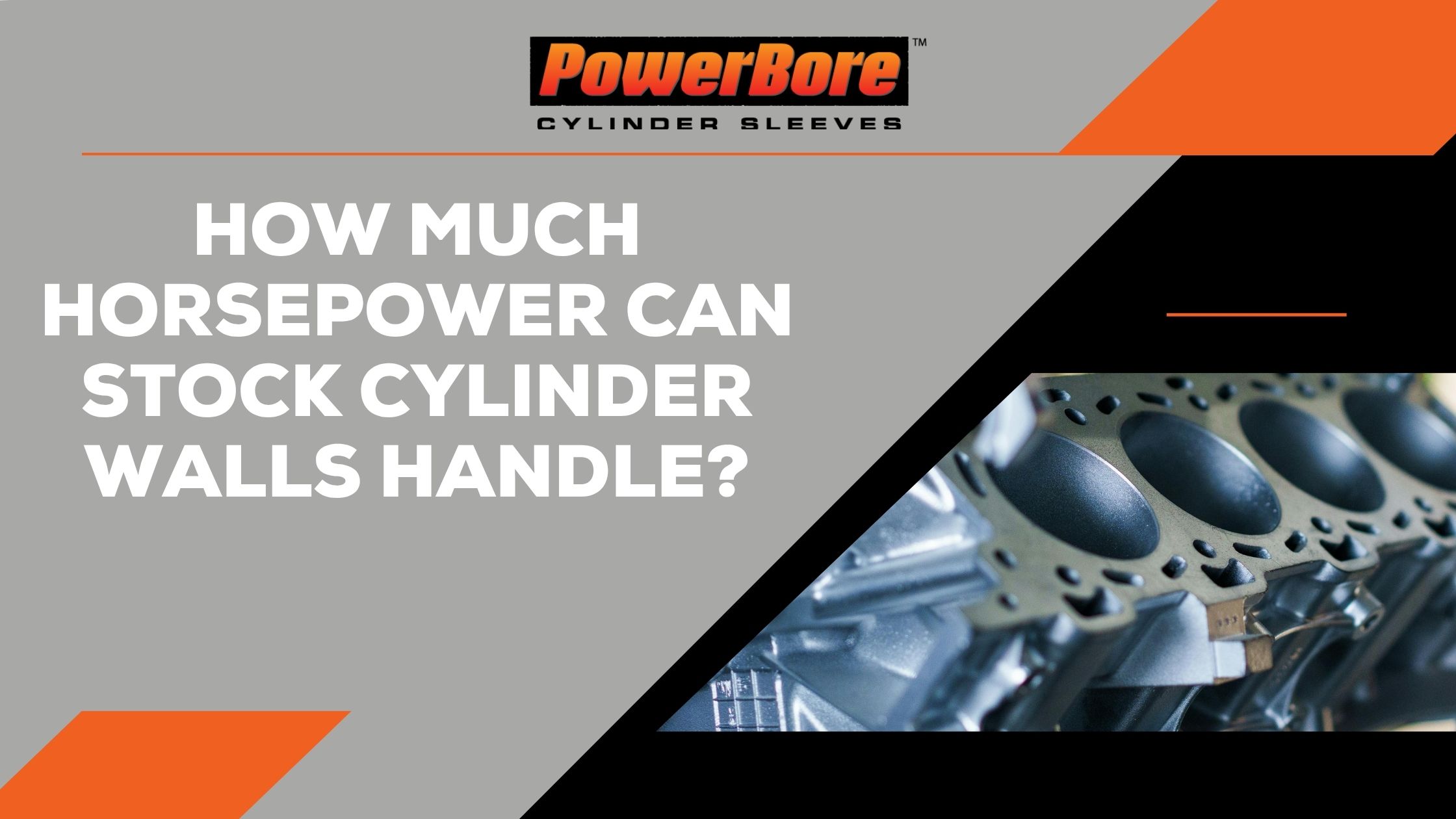
As combustion pressure rises, the cylinder walls experience tremendous outward force. Under enough stress, the walls can begin to flex slightly during combustion events.
Even small amounts of movement can create serious problems.
Cylinder wall flex may lead to:
- Loss of ring seal
- Increased blow-by
- Reduced compression
- Uneven wear
- Oil control issues
Over time, repeated stress cycles can weaken the block further, eventually leading to cracking or catastrophic failure.
This is why many high-horsepower builds fail even when equipped with upgraded pistons and rods. The rotating assembly may survive, but the block itself becomes the limiting factor.
How Cylinder Sleeves Reinforce High-Boost Engines
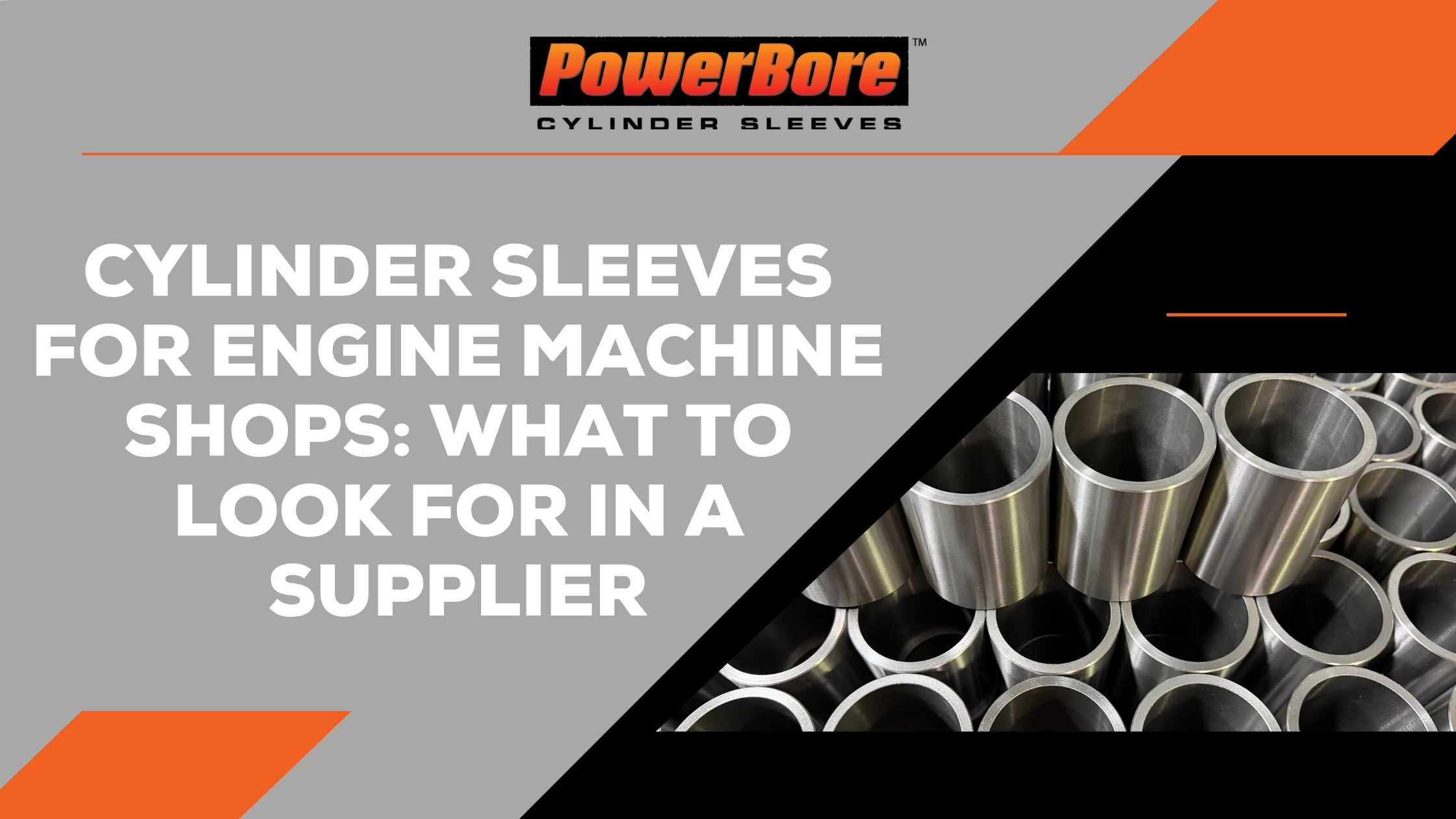
Cylinder sleeves strengthen the most vulnerable area of the engine by reinforcing the cylinder bore itself.
A properly engineered sleeve creates a stronger and more stable cylinder wall capable of handling elevated combustion pressures. Instead of relying solely on the factory block material, the engine gains a reinforced surface designed specifically for high-performance conditions.
This added support helps reduce cylinder wall movement under boost and allows piston rings to maintain a more consistent seal.
In high-boost applications, this provides several major benefits:
Improved Bore Stability: Cylinder sleeves help maintain cylinder shape under extreme pressure and temperature changes. Stable bores improve compression consistency and reduce the likelihood of ring seal failure.
Better Ring Seal: When cylinder walls remain stable, piston rings maintain better contact with the bore surface. This improves combustion efficiency while reducing blow-by and oil contamination.
Reduced Risk of Cracking: High cylinder pressure can create weak points in factory castings, especially around thin cylinder walls. Sleeves reinforce these areas and help distribute stress more evenly throughout the block.
Increased Durability Under Heat: Boosted engines generate tremendous heat. High-quality sleeves are designed to maintain structural integrity during repeated thermal cycles, reducing distortion and wear over time.
Why Aluminum Blocks Often Need Sleeves
Many popular modern performance engines use aluminum blocks because they are lightweight and improve vehicle balance. Platforms like the Ford Coyote, GM LS/LT, and many import turbo engines rely heavily on aluminum construction.
While aluminum offers several advantages, it also has limitations under extreme cylinder pressure.
Compared to iron, aluminum expands more with heat and offers less rigidity. This means aluminum blocks are often more susceptible to bore distortion in high-boost applications.
Factory liners or thin cylinder walls may perform adequately at moderate power levels, but aggressive boost and repeated stress can expose weaknesses in the block design.
This is why sleeving becomes increasingly common as horsepower goals rise.
The Relationship Between Boost and Cylinder Pressure
One of the biggest misconceptions in performance building is that horsepower alone determines engine stress.
In reality, boost pressure and combustion pressure are far more important.
A naturally aspirated engine producing 700 horsepower may place significantly less stress on the cylinder walls than a turbocharged engine making the same number. Forced induction creates sharp pressure spikes inside the combustion chamber that place enormous strain on the block.
This is why many builders focus on boost thresholds when discussing stock block reliability.
As boost increases, cylinder wall stability becomes increasingly important for preventing failure.
Signs a High-Boost Engine May Need Sleeves
Engines approaching their cylinder wall limits often show warning signs before complete failure occurs.
Some common symptoms include:
- Excessive blow-by
- Compression loss
- Head gasket failure
- Unexplained coolant loss
- Increased oil consumption
- Cylinder scoring during teardown
In some cases, the engine may continue running while performance slowly declines due to poor ring seal caused by cylinder wall movement.
Waiting until visible cracks appear can result in much more extensive damage and higher rebuild costs.
Sleeves as a Preventative Upgrade
Many experienced builders install cylinder sleeves before failure occurs.
Rather than treating sleeves as a repair solution, they use them as preventive reinforcement for engines expected to handle high boost and repeated abuse.
This approach is especially common in:
- Drag racing builds
- Roll racing cars
- Street cars running high boost
- Road racing applications
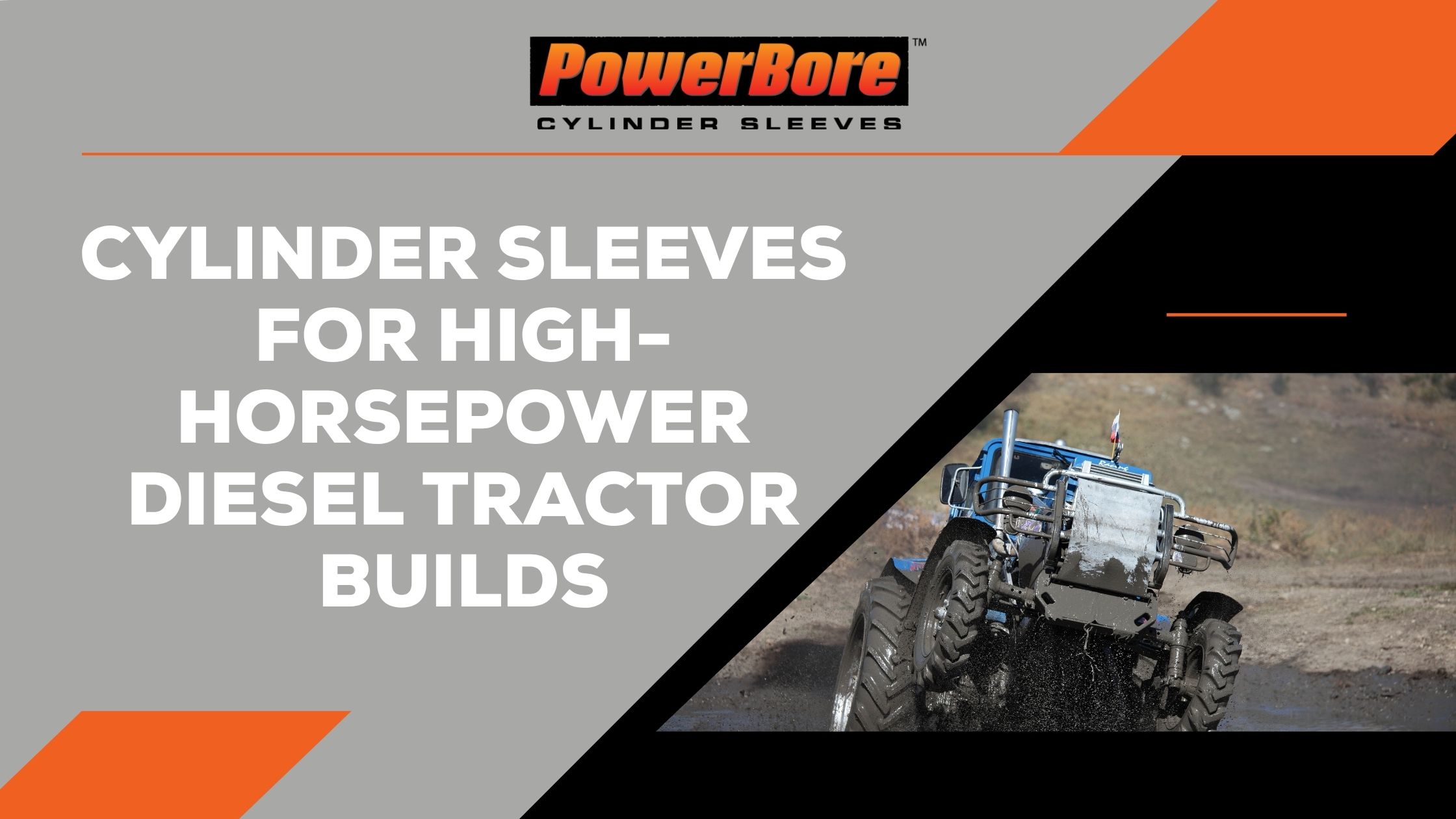
- Tractor pulling engines
- Competition diesel engines
Preventive sleeving helps builders avoid the risk of block failure after investing heavily in other engine components.
For serious builds, sleeves are often viewed as insurance for the engine block itself.
Material Quality Matters
Not all cylinder sleeves perform equally under stress.
The effectiveness of a sleeve depends heavily on material quality, casting consistency, and machining precision. High-performance applications require sleeves capable of maintaining structural stability under extreme pressure and temperature conditions.
Specialized cast iron alloys are commonly used because they provide:
- Excellent wear resistance
- Thermal stability
- High strength under load
- Consistent dimensional behavior
At PowerBore, cylinder sleeves are manufactured entirely in-house, including foundry operations. This allows for tighter control over melt chemistry, casting conditions, and machining tolerances throughout production.
For high-boost builds operating near their limits, this consistency becomes critical.
Proper Installation Is Just as Important
Even the highest-quality sleeve can fail if installation is incorrect.
Sleeving an engine requires precision machining and careful preparation of the engine block. The sleeve must fit correctly within the bore to ensure proper heat transfer, stability, and sealing.
Improper installation can lead to:
- Sleeve movement
- Coolant leakage
- Distortion under load
- Uneven wear
- Ring seal issues
This is why experienced machine work is essential for serious performance builds.
High-Boost Reliability Is About the Entire Combination
Cylinder sleeves are extremely important, but they are only one part of a reliable high-boost setup.
Long-term durability also depends on:
- Proper tuning
- Fuel quality
- Cooling system efficiency
- Oil control
- Piston and ring selection
- Block preparation
Even the strongest sleeved block can fail if tuning or supporting systems are inadequate.
Successful high-horsepower builds rely on balanced engineering throughout the entire engine combination.
Final Thoughts
High-boost engines place enormous stress on factory cylinder walls. As boost and cylinder pressure increase, the risk of bore distortion, cracking, and ring seal failure rises dramatically.
Cylinder sleeves provide a proven way to reinforce the engine block, improve bore stability, and increase durability under extreme conditions. For many serious performance builds, sleeves are not simply a repair solution — they are a necessary upgrade for long-term reliability.
Whether building a turbocharged street car, drag racing engine, diesel competition setup, or tractor pulling engine, strengthening the cylinder walls is one of the smartest ways to protect your investment and keep the engine performing under pressure.