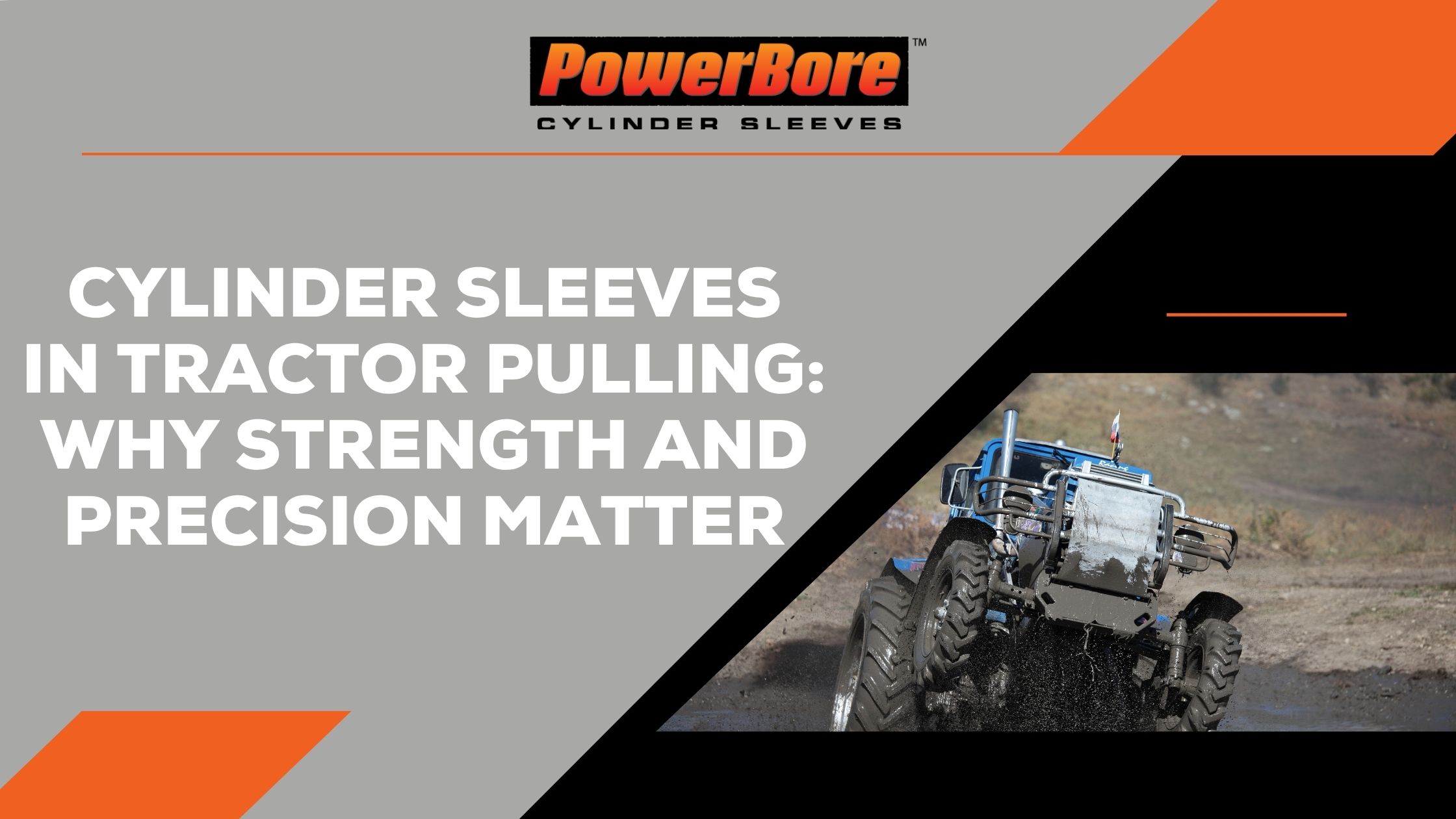
Tractor pulling is one of the most demanding motorsports in the world. Unlike traditional racing, where speed is the primary objective, tractor pulling is all about torque, traction, and raw power. Engines are pushed far beyond factory limits, often generating extreme cylinder pressures that would quickly destroy a standard engine block.
In this environment, every component must be engineered for strength and reliability and few components are more critical than the cylinder sleeve.
Cylinder sleeves play a central role in maintaining engine integrity under the immense stress of tractor pulling. Without properly designed and manufactured sleeves, even the strongest engine builds can suffer from cylinder distortion, cracking, or complete failure.
Understanding why cylinder sleeves matter in tractor pulling applications helps builders create engines that can withstand extreme conditions while delivering consistent performance.
The Extreme Demands of Tractor Pulling Engines
Tractor pulling engines operate under conditions that far exceed those of typical automotive or even high-performance racing engines. These engines are often heavily modified to produce maximum torque at relatively low RPM, creating immense force within each cylinder.
High boost pressures, aggressive fuel delivery, and increased compression ratios all contribute to extreme combustion forces. In many builds, turbochargers or multiple turbo setups are used to force large volumes of air into the combustion chamber, dramatically increasing cylinder pressure.
This combination of pressure and heat creates a challenging environment for cylinder walls. Under these conditions, even small weaknesses in the engine block can quickly become major failure points.
Cylinder walls must maintain their shape and structural integrity under repeated stress cycles. If they begin to distort, piston rings lose their seal, compression drops, and engine performance declines. In severe cases, the cylinder wall may crack entirely, leading to catastrophic engine failure.
Why Stock Cylinder Walls Are Not Enough
Factory engine blocks are designed for reliability under normal operating conditions. While they are capable of handling moderate performance upgrades, they are not built to withstand the extreme forces generated in tractor pulling.
As cylinder pressure increases, the cylinder walls experience both outward force and thermal expansion. Over time, this can lead to:
- Cylinder wall distortion
- Loss of ring seal
- Cracking under pressure
- Reduced engine efficiency
Even high-quality factory castings have limits. Once those limits are exceeded, the risk of failure increases dramatically.
For tractor pulling engines, relying on stock cylinder walls is rarely a viable long-term solution. Reinforcement is necessary to maintain structural stability and prevent failure under load.
How Cylinder Sleeves Reinforce Engine Blocks
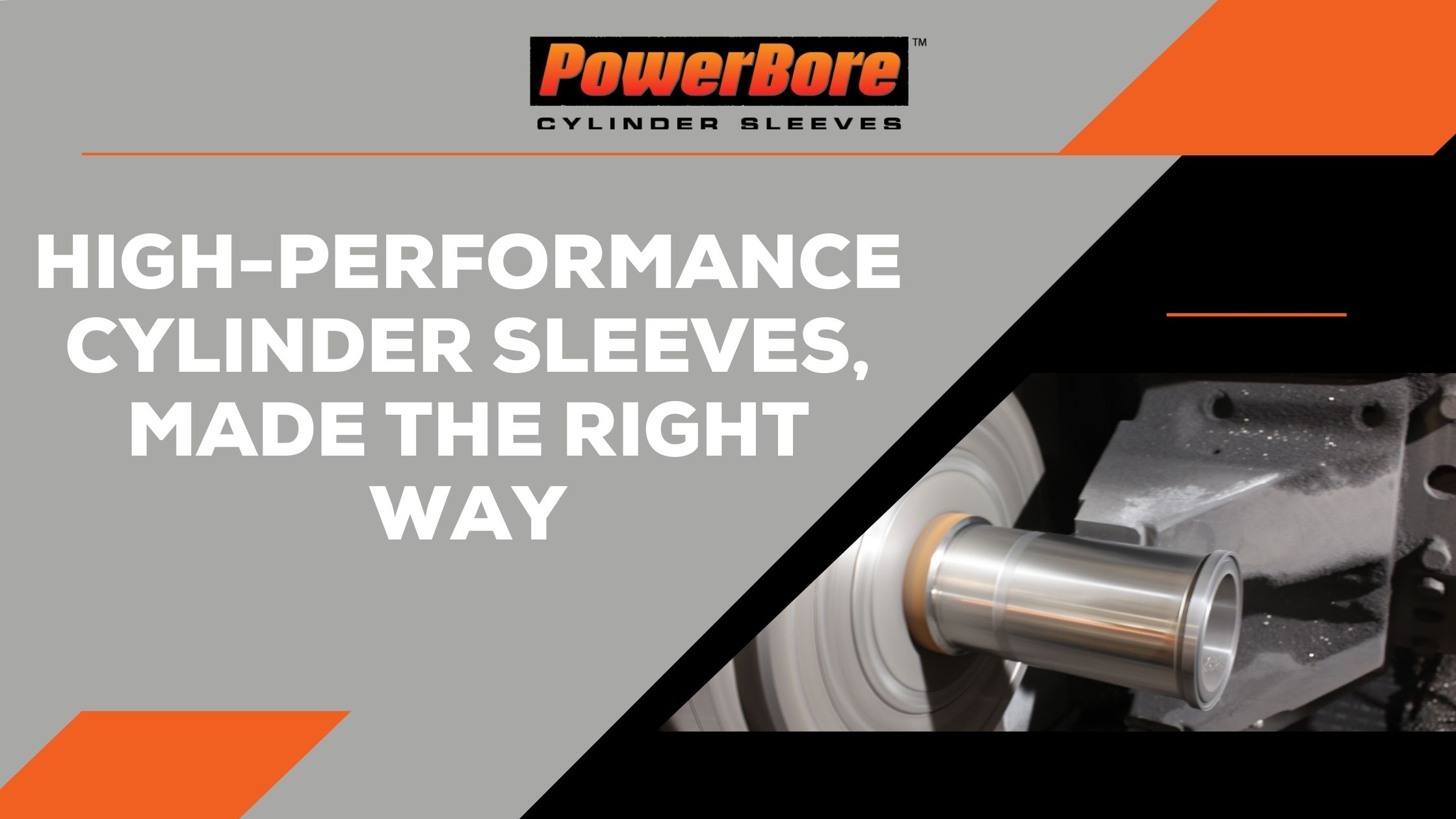
Cylinder sleeves provide a solution by adding strength and durability directly to the most stressed part of the engine, the cylinder wall.
When a sleeve is installed, it creates a new internal surface that is engineered specifically for high-performance conditions. This surface is designed to maintain its shape under pressure and resist wear over time.
More importantly, cylinder sleeves help distribute the forces generated during combustion more evenly throughout the engine block. By reinforcing the cylinder walls, sleeves reduce the likelihood of distortion and cracking.
In tractor pulling applications, this reinforcement is essential. Without it, the extreme forces generated inside the engine can quickly compromise the structural integrity of the block.
Properly installed sleeves allow builders to push engines beyond factory limitations while maintaining reliability.
The Role of Precision in Sleeve Performance
Strength alone is not enough. Precision is equally important when it comes to cylinder sleeves.
Cylinder sleeves must be manufactured to extremely tight tolerances to ensure proper fitment and performance. Even small variations in diameter, roundness, or surface finish can affect how the piston rings interact with the cylinder wall.
In tractor pulling engines, where every bit of performance matters, these small differences can have a significant impact.
A precisely manufactured sleeve ensures:
- Consistent ring seal
- Stable compression under load
- Reduced blow-by
- Efficient combustion
Additionally, proper installation is critical. Sleeves must be fitted correctly within the engine block to prevent movement under pressure. Any shifting or misalignment can lead to uneven wear or failure.
Precision machining and installation are what allow cylinder sleeves to perform reliably in extreme conditions.
Material Strength and Metallurgical Control
One of the most important factors in cylinder sleeve performance is the material used in manufacturing.
Tractor pulling engines require sleeves that can withstand high pressure, extreme heat, and continuous stress cycles without losing structural integrity. This requires carefully engineered materials with consistent metallurgical properties.
Specialized cast iron alloys are commonly used because they offer an ideal balance of strength, wear resistance, and thermal stability. However, not all cast iron is the same.
The quality of the material depends heavily on how it is produced. Factors such as melt chemistry, cooling rates, and casting methods all influence the final properties of the sleeve.
At PowerBore, cylinder sleeves are manufactured entirely in-house, including the foundry process. This allows for complete control over material composition and casting conditions, ensuring consistent performance across every sleeve.
For tractor pulling applications, this level of control is critical. Consistent material properties ensure that each sleeve can withstand the extreme demands placed on it without unexpected failure.
Heat Management in High-Boost Applications
Heat is one of the biggest challenges in tractor pulling engines. High boost levels and aggressive fuel delivery generate significant thermal energy, which must be managed effectively to prevent damage.
Cylinder sleeves play an important role in heat transfer. They help move heat away from the combustion chamber and into the engine block and cooling system.
If heat is not properly managed, it can lead to:
- Cylinder distortion
- Reduced material strength
- Increased wear
- Engine knock or detonation
High-quality sleeves maintain stable thermal properties, allowing them to expand and contract predictably under changing temperatures. This stability is essential for maintaining proper clearances and preventing distortion.
In extreme builds, effective heat management can make the difference between consistent performance and repeated failure.
Supporting High Boost and Extreme Torque
Tractor pulling engines are designed to generate maximum torque, often at relatively low RPM. This places enormous stress on cylinder walls, particularly in high-boost applications.
Turbochargers increase the amount of air entering the engine, which in turn increases combustion pressure. As boost levels rise, the force exerted on the cylinder walls increases dramatically.
Without reinforcement, these forces can cause the cylinder walls to flex or crack. Cylinder sleeves provide the strength needed to handle these pressures, allowing the engine to operate safely at higher boost levels.
This makes sleeves a critical component in builds designed for maximum power output.
Long-Term Reliability in Competitive Environments
In tractor pulling, consistency is just as important as peak performance. Engines must perform reliably over multiple runs, often under varying conditions.
Cylinder sleeves contribute to long-term reliability by maintaining structural integrity and resisting wear. By providing a durable surface for piston movement, they help ensure that the engine performs consistently over time.
For competitors, this reliability translates into fewer rebuilds, reduced downtime, and better overall performance during events.
Why Manufacturing Quality Makes the Difference
Not all cylinder sleeves are created equal. Differences in material quality, casting methods, and machining precision can significantly impact performance.
In high-stress applications like tractor pulling, these differences become even more important. A poorly manufactured sleeve may fail under pressure, leading to costly engine damage.
Manufacturers that control the entire production process, from casting to machining, can maintain tighter quality standards and ensure consistent performance.
This level of quality control is essential for engines operating at the limits of performance.
Final Thoughts
Tractor pulling pushes engines to their absolute limits. Under these conditions, the strength and precision of every component matter and cylinder sleeves are no exception.
By reinforcing cylinder walls, maintaining precise tolerances, and providing reliable performance under extreme conditions, cylinder sleeves play a critical role in both power and durability.
For engine builders and competitors, investing in high-quality cylinder sleeves is not just a performance upgrade, it is a necessity for building engines that can withstand the demands of tractor pulling.