Cylinder liners are one of the most important and often overlooked components inside an engine. While they may appear to be a simple cylindrical insert, their impact on engine performance, durability, and rebuild capability is significant.
Whether used in high-performance racing engines, heavy-duty diesel applications, or everyday automotive rebuilds, cylinder sleeves play a critical role in maintaining engine integrity under extreme conditions.
Understanding how cylinder sleeves improve engine performance and longevity allows engine builders, mechanics, and equipment operators to make more informed decisions when repairing or upgrading an engine.
What Are Cylinder Liners and Why Do They Matter?
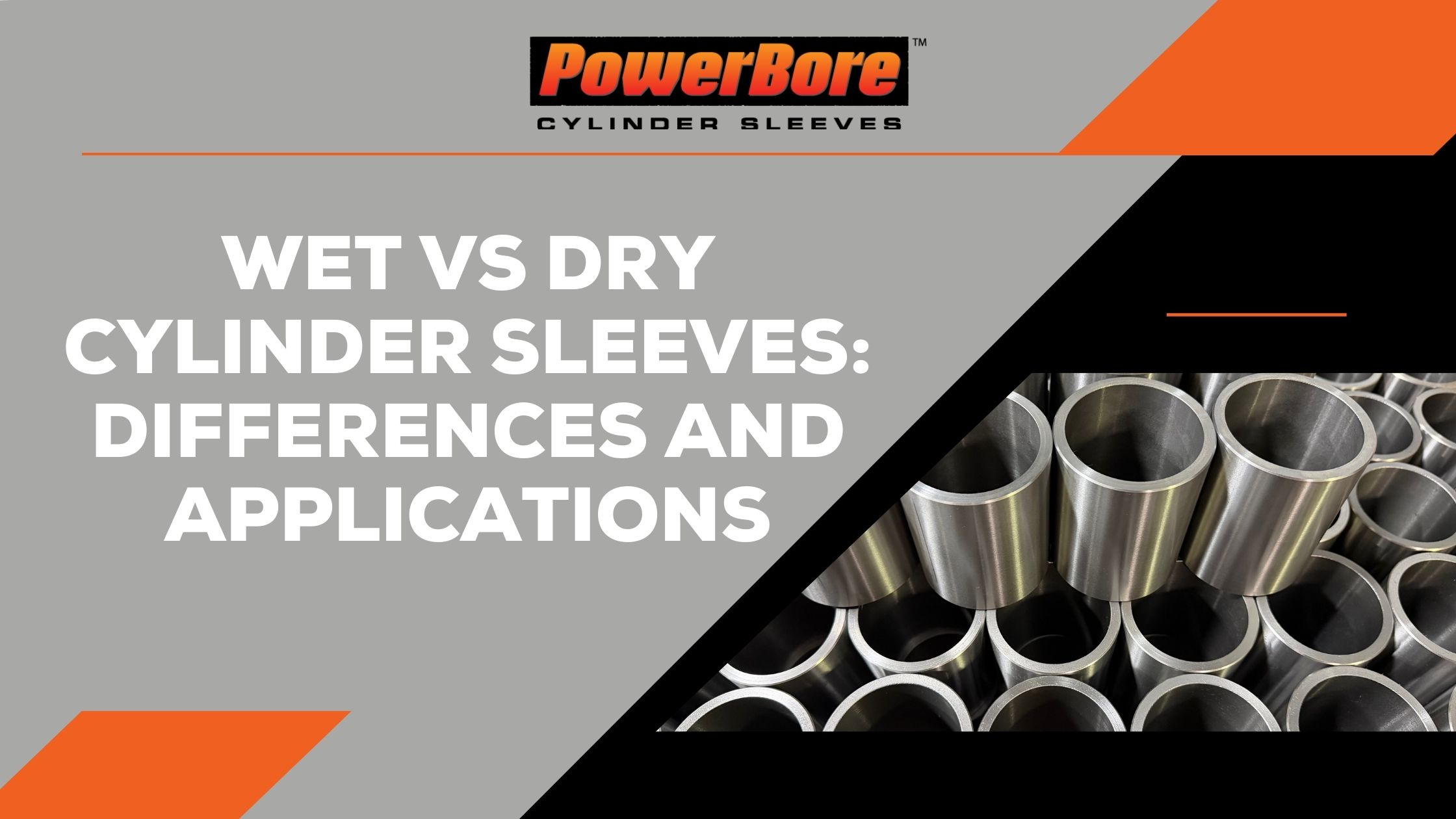
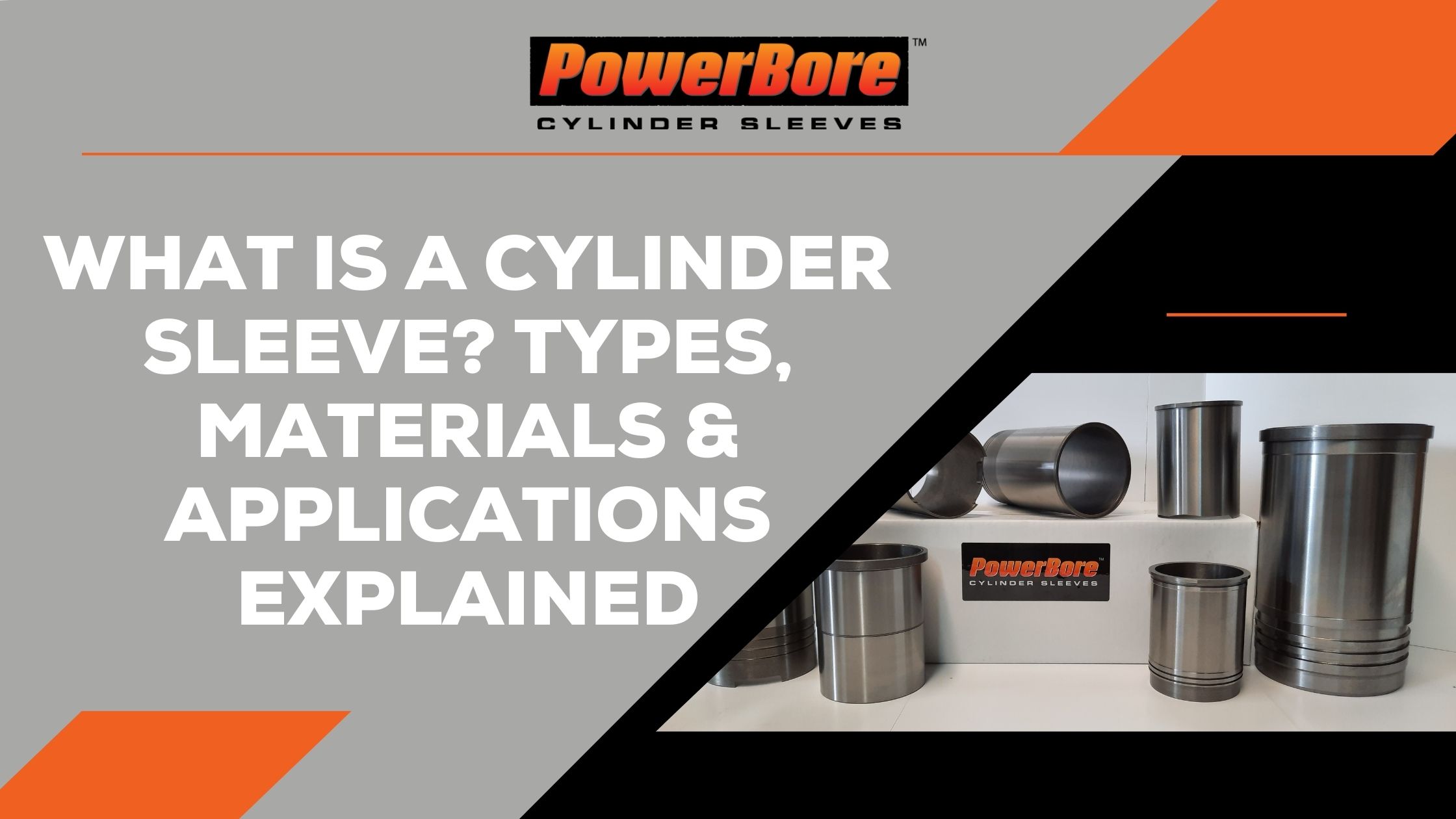
A cylinder sleeve, also known as a cylinder liner, is a precision-machined metal component installed inside the engine block. It forms the inner wall of the combustion chamber and provides a hardened surface for the piston and piston rings to travel against.
During engine operation, this surface is exposed to continuous friction, high temperatures, and pressure from combustion events. Without a durable and stable surface, the cylinder wall would wear quickly, leading to compression loss and declining engine performance.
Cylinder sleeves act as a protective barrier that preserves the engine block while maintaining the tight tolerances required for efficient combustion. In many applications, they are not only used for repair but also as a performance-enhancing component.
Improving Compression and Power Output
Compression is fundamental to how an engine produces power. When piston rings seal properly against the cylinder wall, the air-fuel mixture is compressed efficiently, resulting in strong and consistent combustion.
Over time, however, cylinder walls can wear or become distorted. Even minor imperfections in the cylinder surface can weaken the seal between the rings and the wall. This leads to reduced compression, which directly affects engine performance.
Engines experiencing compression loss often show symptoms such as decreased power, rough operation, and reduced fuel efficiency. In these cases, installing a high-quality cylinder sleeve restores the proper surface finish and geometry needed for an effective seal.
By re-establishing compression, the engine can return to optimal performance and deliver the power it was designed to produce.
Enhancing Heat Transfer and Temperature Control
Heat management is one of the most critical challenges in engine operation. Combustion generates intense heat, and if that heat is not properly managed, it can lead to component failure.
Cylinder sleeves help regulate temperature by transferring heat away from the combustion chamber and into the engine’s cooling system. This process reduces thermal stress and helps maintain consistent operating conditions.
In engines that use wet sleeves, coolant flows directly around the sleeve, allowing heat to dissipate quickly. In dry sleeve applications, heat transfers through the sleeve and into the surrounding engine block before reaching the cooling system.
Regardless of design, properly manufactured sleeves maintain stable thermal properties under repeated heating and cooling cycles. This stability is essential in preventing distortion, which can compromise ring seal and overall engine efficiency.
Increasing Wear Resistance
The constant motion between piston rings and the cylinder wall creates unavoidable friction. Over time, this friction leads to wear, even under normal operating conditions.
Cylinder sleeves are designed using specialized cast iron alloys that offer significantly improved wear resistance compared to standard engine block materials. These materials are engineered to maintain their hardness and structural integrity under high temperatures and repeated stress.
In demanding environments such as diesel engines or industrial equipment, wear resistance becomes even more important. Engines in these applications often operate for extended periods under heavy load, making durability a top priority.
By providing a more durable surface, cylinder sleeves help maintain internal tolerances and reduce the frequency of major engine repairs.
Supporting High-Performance Builds
High-performance engines operate under conditions that push components far beyond standard limits. Increased boost pressure, higher compression ratios, and elevated RPM levels all contribute to greater stress on cylinder walls.
Without reinforcement, the engine block may begin to experience distortion or cracking under these extreme conditions. This is where cylinder sleeves play a critical role.
By adding strength and structural support to the cylinder walls, sleeves allow engines to handle increased pressure and thermal loads. This makes them an essential component in performance builds where reliability is just as important as power.
For many engine builders, installing cylinder sleeves is a proactive step taken to ensure the engine can safely handle higher performance demands.
Extending Engine Life
One of the most valuable benefits of cylinder liners is their ability to extend the overall lifespan of an engine.
Because sleeves act as a replaceable wear surface, they allow engines to be rebuilt multiple times without replacing the entire block. When wear or damage occurs, the sleeve can be replaced or machined, restoring the engine to proper working condition.
This is especially important in applications where engines are expected to operate for long periods, such as:
- Heavy-duty diesel trucks
- Agricultural equipment
- Industrial machinery
- Fleet vehicles
In these environments, the ability to rebuild an engine rather than replace it results in significant cost savings and reduced downtime.
Allowing Engine Repair Instead of Replacement
When a cylinder wall becomes damaged due to scoring, cracking, or excessive wear, the engine block itself is often still structurally sound. Without sleeves, this type of damage would typically require complete block replacement.
Cylinder sleeves provide an alternative solution by allowing the damaged portion of the cylinder to be removed and replaced. The new sleeve restores the cylinder’s geometry and surface integrity, making the engine usable again.
This process not only saves money but also preserves valuable engine components that would otherwise be discarded.
Enabling Larger Bore Sizes and Increased Displacement
Engine builders often increase displacement by enlarging the cylinder bore. However, there are limits to how much material can be removed from the engine block without compromising its strength.
Once those limits are reached, cylinder walls become too thin to handle the pressures of combustion. Installing sleeves allows builders to add material back into the cylinder, creating a new surface that can be safely machined to the desired size.
This provides greater flexibility in engine design and allows for performance improvements that would not be possible with the original block alone.
The Importance of Manufacturing Quality
The effectiveness of a cylinder sleeve depends heavily on how it is manufactured. Material composition, casting methods, and machining precision all play a role in determining performance.
Inconsistent materials or poor manufacturing processes can lead to uneven wear, reduced strength, and failure under load. For this reason, manufacturing control is critical.
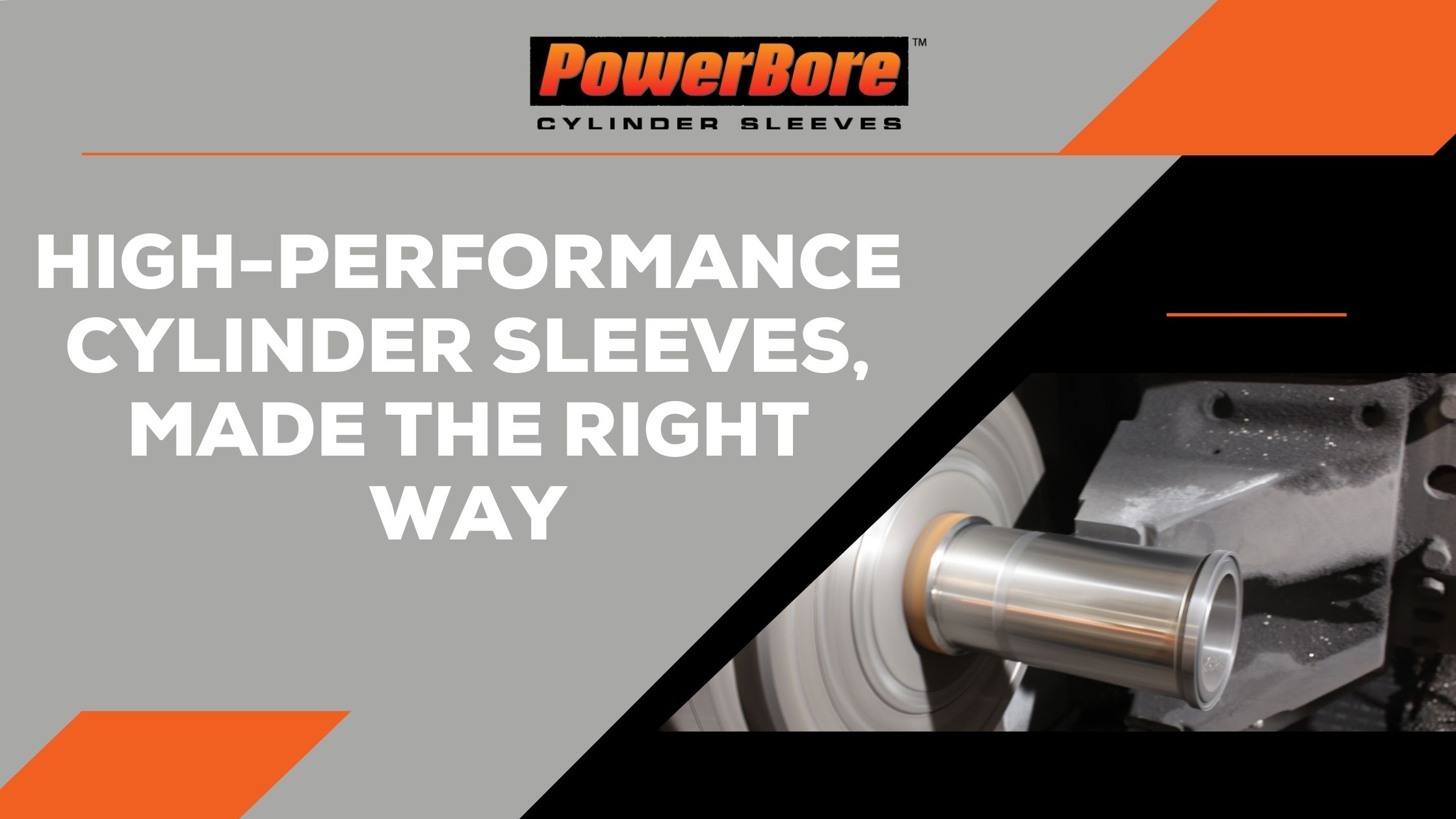
At PowerBore, cylinder sleeves are produced entirely in-house, including the foundry process. By controlling melt chemistry, casting conditions, and machining operations, consistency and quality can be maintained throughout production.
This level of control ensures that each sleeve performs reliably, even in demanding engine environments.
Cylinder Liners in Diesel vs Gasoline Engines
Both diesel and gasoline engines benefit from cylinder sleeves, but the demands placed on them differ.
Diesel engines typically operate under higher compression and generate greater cylinder pressures. As a result, they rely heavily on sleeves for durability and often use designs that allow for repeated rebuilds over the engine’s lifespan.
Gasoline engines, particularly those built for performance, often use sleeves to reinforce the block and support higher RPM operation. In these applications, sleeves are essential for maintaining structural integrity under increased stress.
In both cases, cylinder sleeves contribute significantly to engine performance and long-term reliability.
Final Thoughts
Cylinder sleeves are far more than a simple internal component. They play a central role in maintaining compression, managing heat, resisting wear, and supporting both engine repair and performance upgrades.
By providing a durable and replaceable surface within the engine, sleeves help extend engine life and improve overall efficiency. Whether used in heavy-duty diesel applications or high-performance builds, they are a critical factor in achieving reliable, long-term performance.