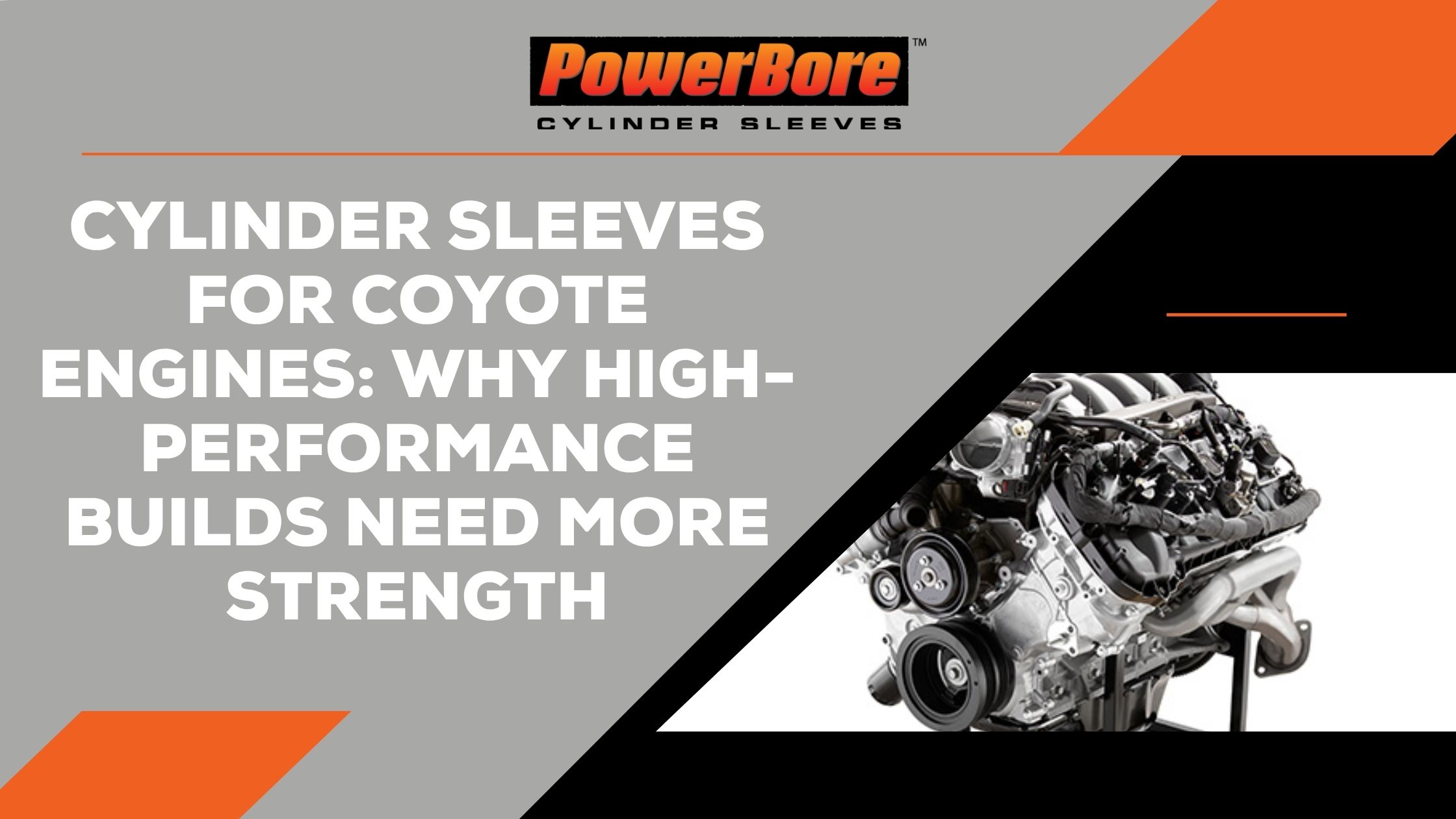
The Ford Coyote engine has become one of the most respected modern V8 platforms in the performance world. Found in the Mustang GT, F-150, and several Ford performance applications, the 5.0L Coyote is known for strong factory power, high-revving capability, and excellent aftermarket support.
For many enthusiasts, the stock Coyote engine is only the starting point. Superchargers, turbochargers, stroker kits, high-compression builds, and race-focused tuning have pushed this platform far beyond original factory output. As power levels climb, one question becomes increasingly important:
Do Coyote engines need cylinder sleeves?
For many serious builds, the answer is yes.
Cylinder sleeves can play a major role in strengthening the Coyote platform, repairing damaged blocks, increasing displacement, and improving long-term reliability in high-horsepower applications.
Why the Coyote Engine Is So Popular
The Coyote platform is popular because it combines modern engineering with strong performance potential. Factory features such as aluminum construction, dual overhead cams, and efficient airflow make it an excellent base for both street and track performance.
Builders often choose the Coyote because it responds well to modifications such as:
- Superchargers
- Turbocharger systems
- E85 tuning
- Camshaft upgrades
- High-RPM naturally aspirated builds
- Road race or drag racing combinations
However, once power levels rise significantly, cylinder wall strength becomes a more serious consideration.
The Challenge of Aluminum Engine Blocks
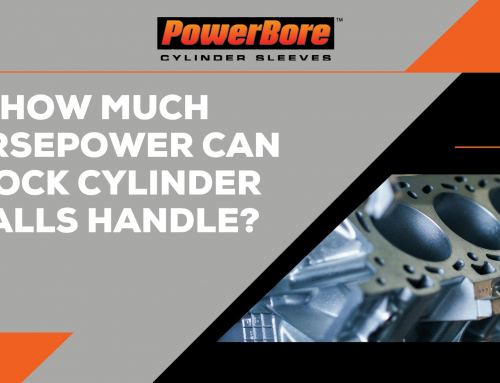
Many Ford Coyote engines use aluminum blocks to reduce weight and improve vehicle balance. While aluminum offers performance advantages, it does not have the same wear characteristics or structural properties as iron.
To function properly, aluminum blocks rely on cylinder liners or sleeves to create a durable wear surface for piston rings. In high-output builds, these liners are exposed to:
- Higher combustion pressure
- Increased heat
- Greater cylinder loading
- Elevated RPM stress
- Tighter performance tolerances
As horsepower climbs, factory cylinder wall limitations can become a concern.
When Coyote Engines Need Cylinder Sleeves
Not every Coyote engine requires upgraded sleeves. Mild bolt-on builds running moderate power often remain reliable on factory components. However, once performance goals move into aggressive territory, sleeving becomes a smart consideration.
Common scenarios where sleeves are recommended include:
High-Boost Forced Induction Builds
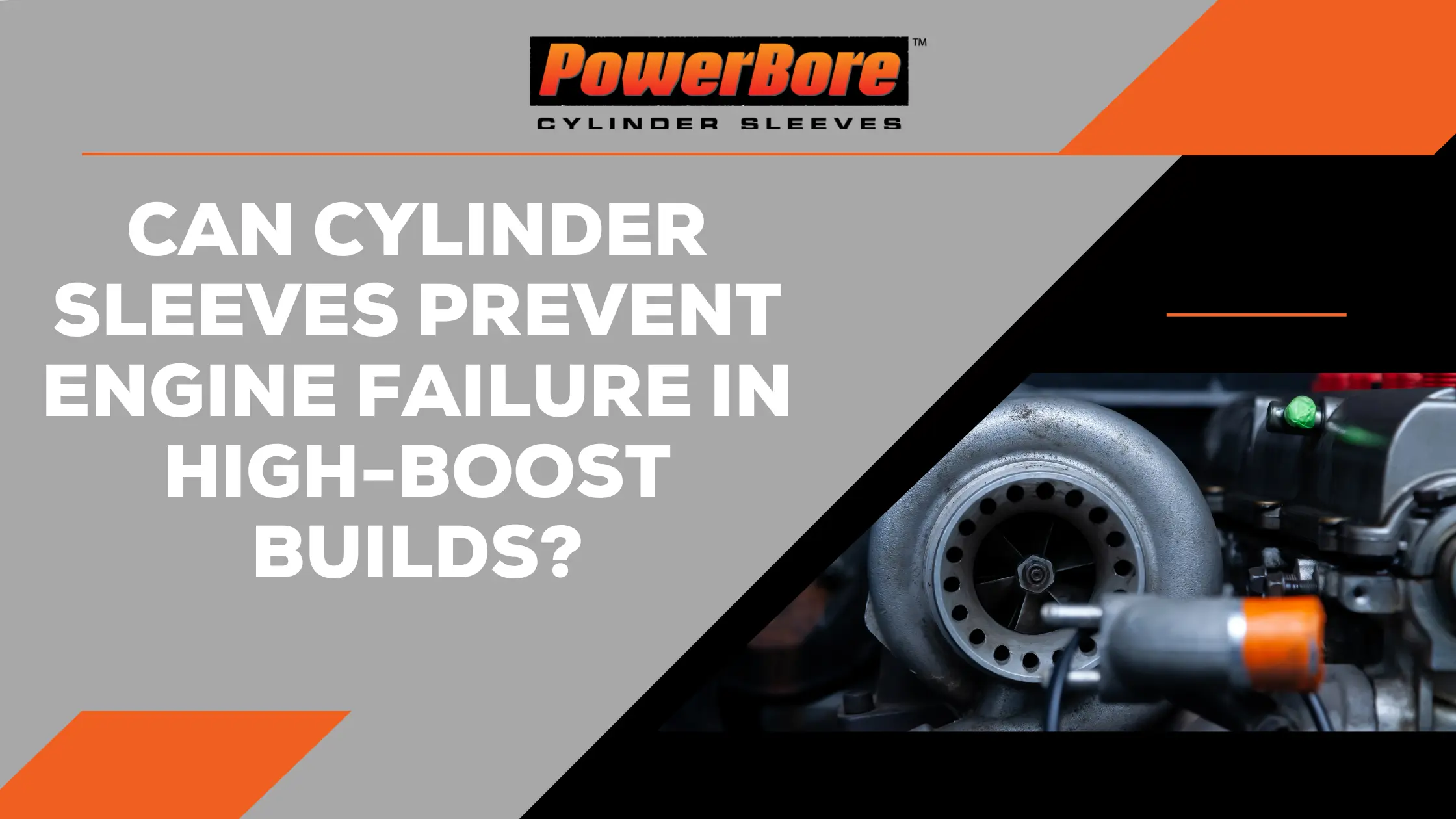
Supercharged and turbocharged Coyotes can generate tremendous cylinder pressure. As boost rises, stress on the cylinder walls increases dramatically. Cylinder sleeves help reinforce the bore area and reduce the risk of distortion or failure.
Large Bore or Stroker Builds
Builders seeking more displacement may enlarge cylinder bores. Once factory limits are approached, sleeves provide a safe way to restore wall thickness and maintain structural integrity.
Damaged Cylinder Walls
If a Coyote block suffers scoring, cracking, or wear, sleeving may allow the block to be repaired rather than replaced.
Dedicated Racing Applications
Track cars, drag cars, and extreme street builds often benefit from upgraded sleeves because they experience repeated high-load conditions.
How Cylinder Sleeves Improve Coyote Performance
Cylinder sleeves are not just a repair solution. In many builds, they are a performance insurance policy.
A properly engineered sleeve helps maintain cylinder geometry under load. This allows piston rings to maintain a strong seal, which supports:
- Better compression
- Consistent power output
- Reduced blow-by
- Improved oil control
- Greater durability at high horsepower levels
When an engine is operating near its limits, small losses in sealing efficiency can have major effects on power and reliability.
Why Precision Matters in Coyote Builds
The Coyote engine is a precision platform. Tight tolerances, high-RPM capability, and modern valvetrain design mean every internal component must work in harmony.
Cylinder sleeves must be manufactured and installed with extreme accuracy. Improper fitment, poor surface finish, or inconsistent material quality can create problems such as:
- Ring seal loss
- Uneven wear
- Hot spots
- Coolant sealing issues
- Reduced engine life
That is why sleeve quality matters just as much as the decision to sleeve the engine in the first place.
Material Quality and In-House Manufacturing Advantage
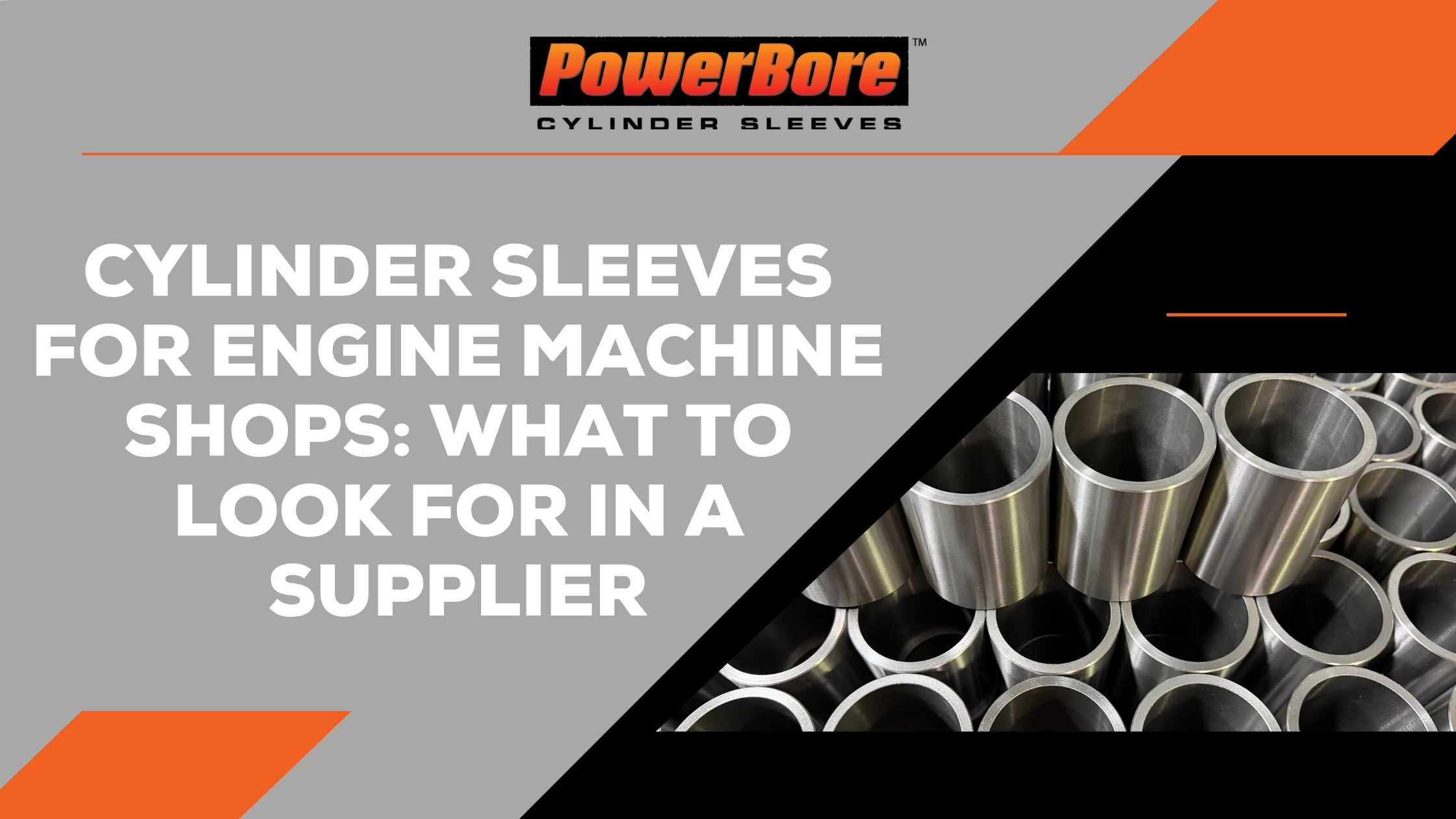
The performance of any sleeve begins with the material used to create it. Specialized cast iron alloys are commonly used because they offer excellent wear resistance, heat stability, and strength.
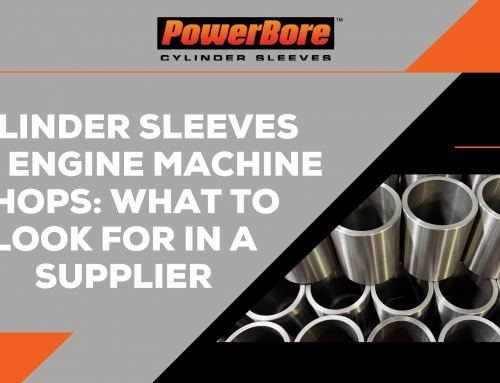
At PowerBore, cylinder sleeves are manufactured entirely in-house, including foundry operations. Controlling the casting process internally allows for tighter oversight of melt chemistry, consistency, and final machining quality.
For high-performance platforms like the Coyote, this level of control matters. Builders need components they can trust when power levels increase and tolerances become critical.
Sleeves for Street Cars vs Race Cars
The needs of a street-driven Coyote are different from a race-focused build.
A moderate street setup with conservative boost and quality tuning may prioritize longevity and drivability. In this case, sleeves can add peace of mind and long-term durability.
A drag racing or track build may prioritize maximum power and repeated abuse under load. Here, sleeves become a much more important structural upgrade.
The right approach depends on:
- Horsepower goals
- Intended use
- Fuel type
- Boost levels
- RPM range
- Budget
Can Sleeving a Coyote Save a Damaged Block?
Yes, in many cases.
If the block has cylinder wall scoring or localized damage, sleeving may allow the block to be repaired and reused. This can be especially valuable when dealing with desirable performance blocks or expensive engine combinations.
Instead of discarding the block entirely, machining and sleeving can restore a proper bore surface and return the engine to service.
Choosing the Right Builder and Components
Installing sleeves in a Coyote engine is a serious machining operation. It requires experience, precision equipment, and correct component selection.
The success of the build depends on:
- Proper block preparation
- Correct interference fit
- Accurate machining
- Quality sleeve material
- Proper final hone finish
- Experienced assembly practices
For serious builds, working with trusted machine shops and proven components is essential.
Final Thoughts
The Ford Coyote engine is one of the best modern V8 platforms available, but as power levels rise, factory limitations become more relevant. Cylinder sleeves offer a proven way to strengthen the block, repair damage, and support aggressive horsepower goals.
Whether you are building a boosted street car, drag setup, or race-focused engine, sleeves can help provide the durability and consistency needed to perform at a high level.
For enthusiasts pushing the limits of the Coyote platform, cylinder sleeves are often more than an upgrade, they are a smart investment in long-term reliability.