When it comes to engine performance and durability, few components are as important as the cylinder sleeve. Whether you’re rebuilding a high-horsepower racing engine, repairing a damaged diesel block, or strengthening a performance platform, understanding cylinder sleeves is essential.
So what is a cylinder sleeve?
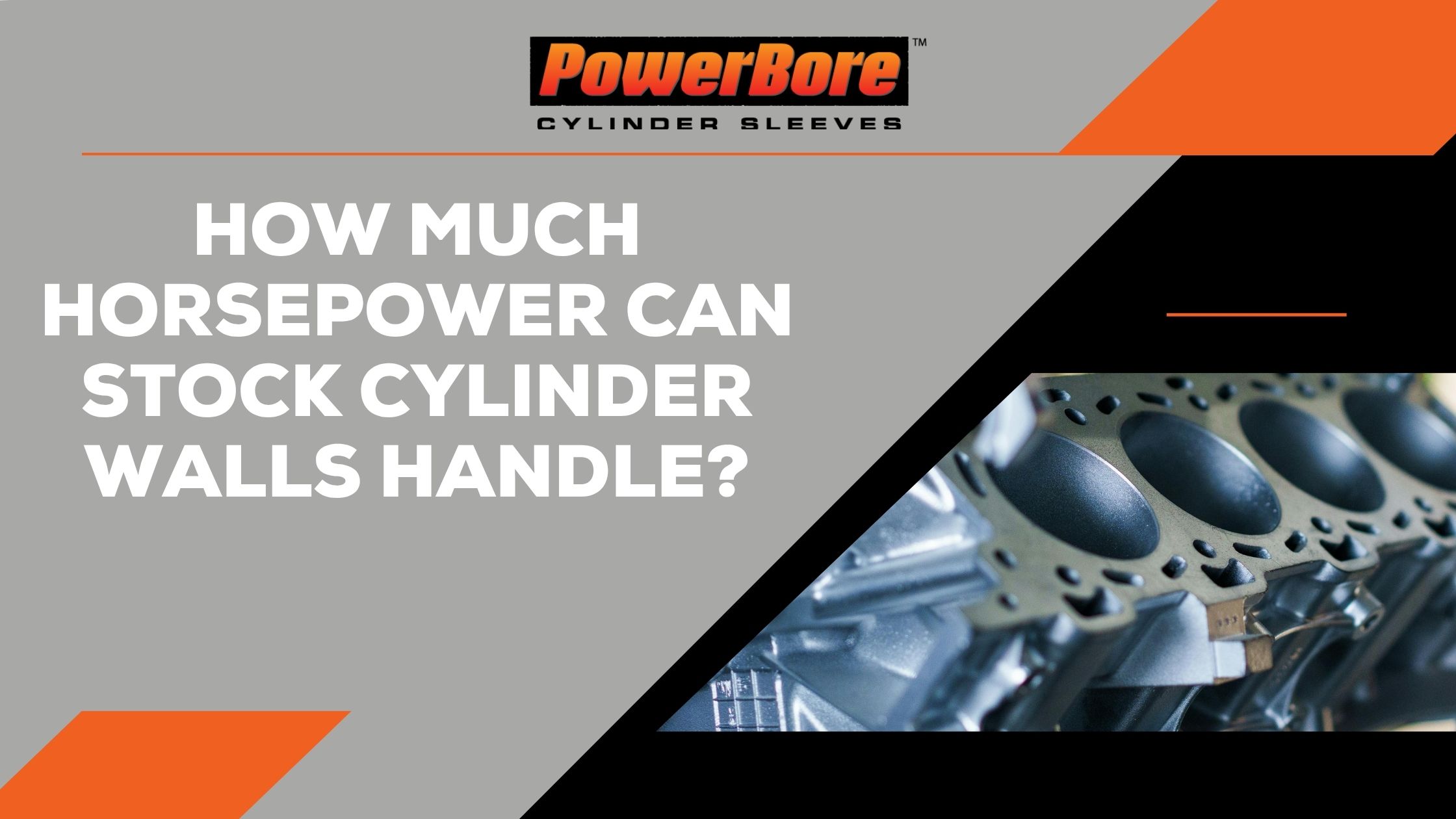
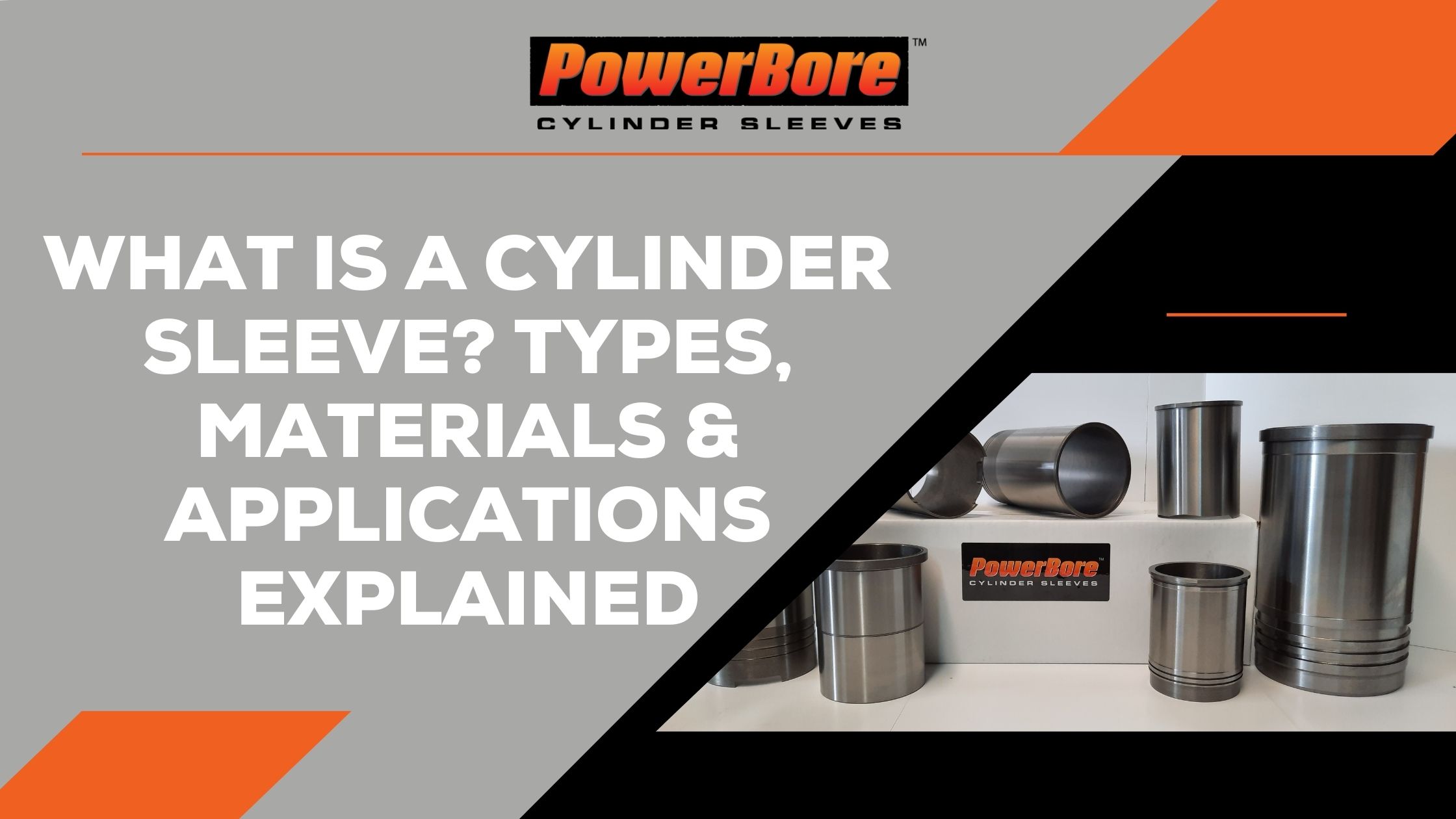
A cylinder sleeve, also known as a cylinder liner, is a precision-machined cylindrical component installed inside an engine block to form the inner wall of the combustion chamber. It provides a durable surface for the piston and piston rings to travel against while withstanding extreme heat, pressure, and friction.
While the concept may seem simple, the engineering behind cylinder sleeves plays a major role in engine longevity and performance.
What Does a Cylinder Sleeve Do?

Inside an engine, combustion generates enormous force. Temperatures can exceed 2,000°F, and pressures increase dramatically in turbocharged or high-compression applications. The cylinder wall must remain dimensionally stable and resist wear under constant stress.
A cylinder sleeve serves as the protective barrier between the piston assembly and the engine block itself. Rather than allowing the engine block to wear directly, the sleeve absorbs friction and heat. This protects the structural integrity of the block while maintaining the precise tolerances required for proper ring seal and compression.
In many cases, sleeves also make engines serviceable. Instead of replacing an entire engine block when damage occurs, a worn or cracked bore can be machined and fitted with a new sleeve, restoring the engine to working condition.
Why Are Cylinder Sleeves Used?

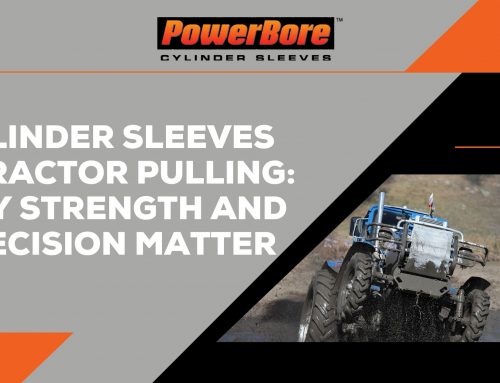
Cylinder sleeves are used in both repair and high-performance applications (like racing and tractor pulls) for several key reasons.
One of the most common reasons is bore damage. If a cylinder wall becomes cracked, scored, or excessively worn, the engine can often be salvaged by machining the bore and installing a sleeve. This restores structural integrity and allows the engine to function properly again.
Another reason is performance modification. Engine builders often increase displacement by enlarging the bore diameter. When the factory bore reaches its safe limit, sleeves provide the material thickness and strength necessary to continue machining without compromising the block.
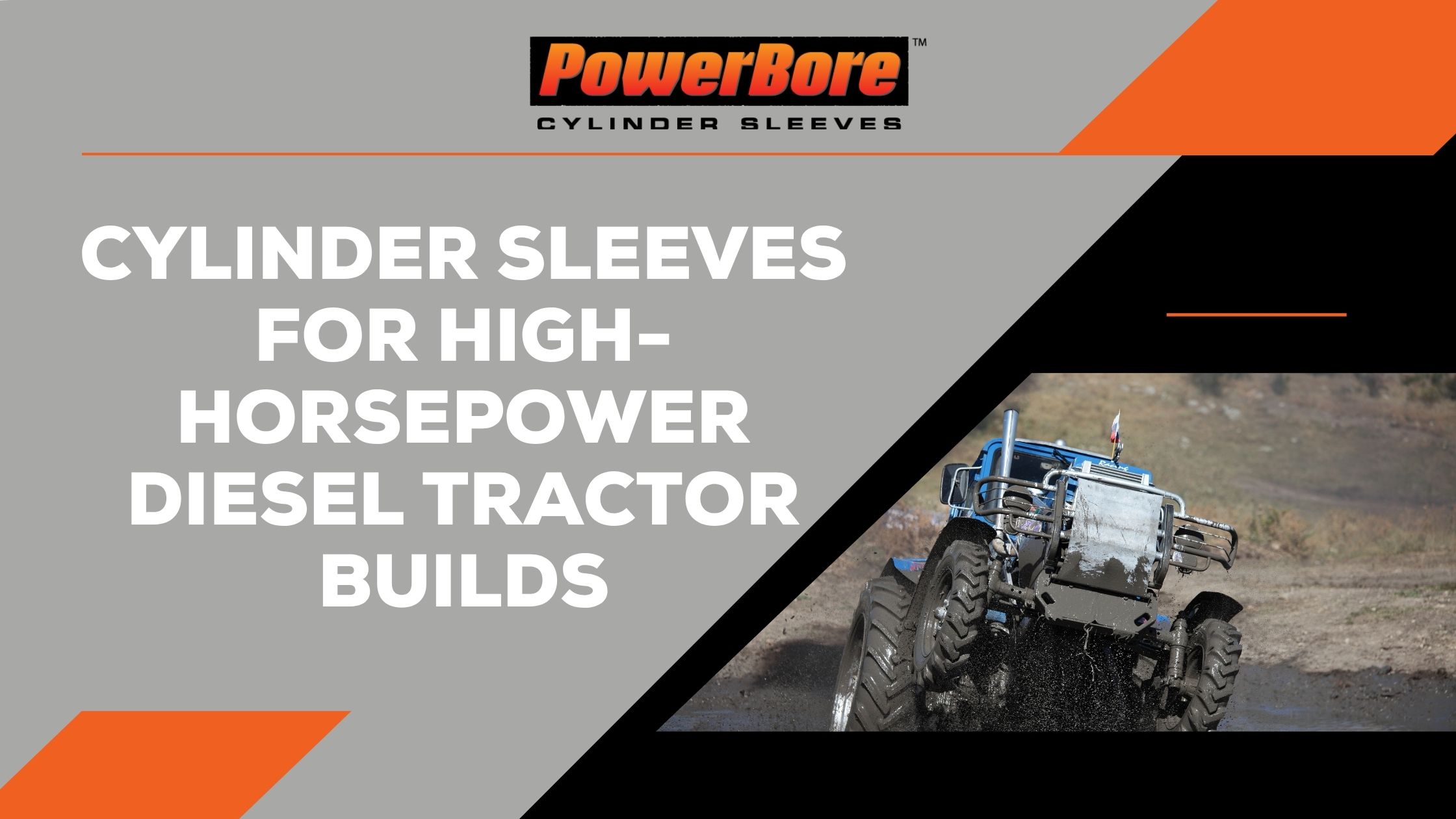
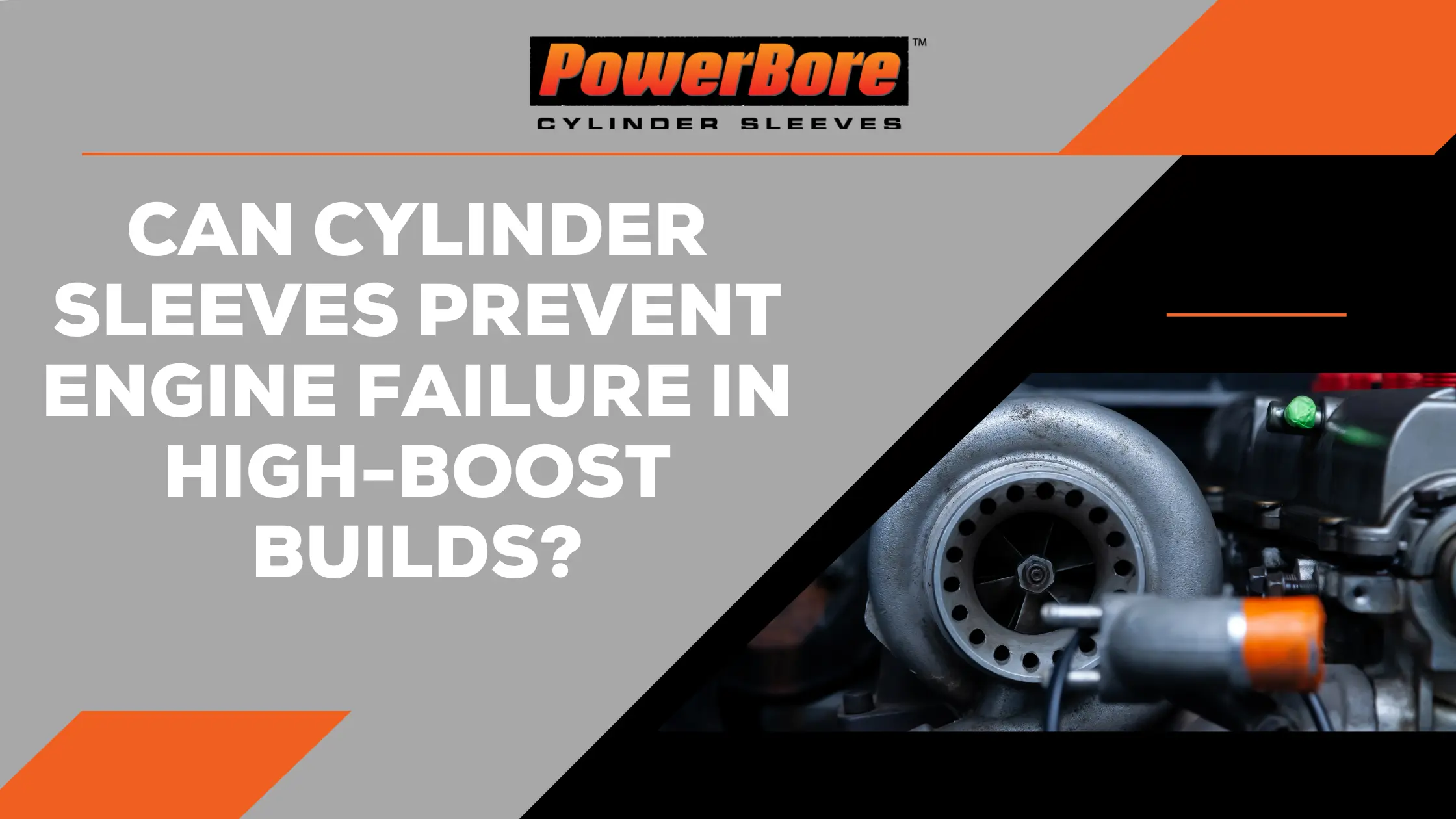
Cylinder sleeves are also used to strengthen engines. High-horsepower builds, particularly turbocharged gasoline engines and heavy-duty diesel platforms, generate cylinder pressures that exceed factory design limits. Installing high-strength sleeves helps prevent cylinder wall distortion and failure under these extreme conditions.
Finally, sleeves improve engine longevity. High-quality sleeve materials offer superior wear resistance compared to many standard block materials, helping engines maintain compression and performance over extended use.
Types of Cylinder Sleeves
There are two primary types of cylinder sleeves used in modern engines: wet sleeves and dry sleeves.
Wet Cylinder Sleeves
Wet sleeves are in direct contact with engine coolant. They are sealed to the engine block using O-rings and allow coolant to flow around the outside of the sleeve. This design provides excellent cooling efficiency and makes servicing easier in heavy-duty applications.
Wet sleeves are commonly found in large diesel engines, agricultural equipment, and industrial machinery where durability and rebuildability are critical.
Dry Cylinder Sleeves
Dry sleeves are pressed into the engine block and are surrounded by solid block material rather than coolant. They rely on an interference fit between the sleeve and the block for stability.
Dry sleeves are commonly used in gasoline engines and high-performance builds. Because they are fully supported by the block material, they provide added structural rigidity, making them ideal for performance upgrades and racing applications.
The choice between wet and dry sleeves depends on engine design, intended use, and performance goals.
What Materials Are Cylinder Sleeves Made From?
Material selection is one of the most important factors in sleeve performance.
Most high-quality cylinder sleeves are manufactured from specialized cast iron alloys engineered to deliver wear resistance, heat transfer efficiency, and dimensional stability. These alloys must withstand constant friction from piston rings while maintaining tight tolerances through repeated heat cycles.
The metallurgical composition of a sleeve directly affects its strength and longevity. Proper alloy control ensures consistent hardness, uniform grain structure, and predictable performance under load.
Manufacturers that control their casting process internally have a significant advantage. For example, at PowerBore, production begins in an in-house foundry. By overseeing melt chemistry, casting conditions, and machining operations under one roof, material consistency and quality control can be maintained from start to finish. This level of manufacturing control reduces variability and ensures repeatable performance across production runs.
How Cylinder Sleeves Improve Engine Performance
Cylinder sleeves play a direct role in how efficiently an engine operates. Properly engineered sleeves help maintain compression by ensuring an optimal ring seal between the piston and cylinder wall. They also contribute to consistent heat transfer, which helps manage combustion temperatures.
In high-performance engines, sleeve strength becomes even more critical. Forced induction, aggressive tuning, and high compression ratios increase stress on cylinder walls. Without sufficient material strength and dimensional stability, cylinder distortion can occur, leading to power loss or catastrophic failure.
High-quality sleeves provide the structural support necessary to handle these elevated loads, making them a key component in serious performance builds.
Cylinder Sleeves in Diesel vs. Gasoline Engines
Diesel engines typically experience significantly higher cylinder pressures than gasoline engines. Because of this, sleeving is extremely common in diesel applications. Many heavy-duty diesel platforms use wet sleeves to improve cooling and allow easier rebuilding over the engine’s lifespan.
Gasoline engines, particularly in racing and high-performance applications, frequently use dry sleeves to add strength and rigidity to the cylinder walls. These upgrades are often essential when increasing boost levels or modifying engine displacement.
Both engine types benefit from high-quality sleeve manufacturing, but the demands placed on diesel engines often make sleeve design and material strength even more critical.
The Importance of Manufacturing Quality
Not all cylinder sleeves are manufactured to the same standards. Precision machining, proper alloy selection, and strict quality control all influence how well a sleeve performs inside an engine.
Manufacturers that rely on outsourced or overseas casting processes may face inconsistencies in material chemistry or dimensional accuracy. By contrast, companies that maintain full control of production — including casting and machining — can deliver a higher level of reliability and repeatability.
In performance and heavy-duty applications, this consistency can mean the difference between long-term durability and premature failure.
Final Thoughts
A cylinder sleeve is more than just a repair solution. It is a critical structural component that directly impacts engine durability, performance, and longevity.
Whether used to restore a damaged block, increase engine displacement, or strengthen a high-performance build, the right sleeve — manufactured with precise material control and engineering standards — plays a foundational role in engine reliability.
Understanding how cylinder sleeves function, what materials they’re made from, and how they’re manufactured allows engine builders and equipment operators to make informed decisions that support long-term performance.